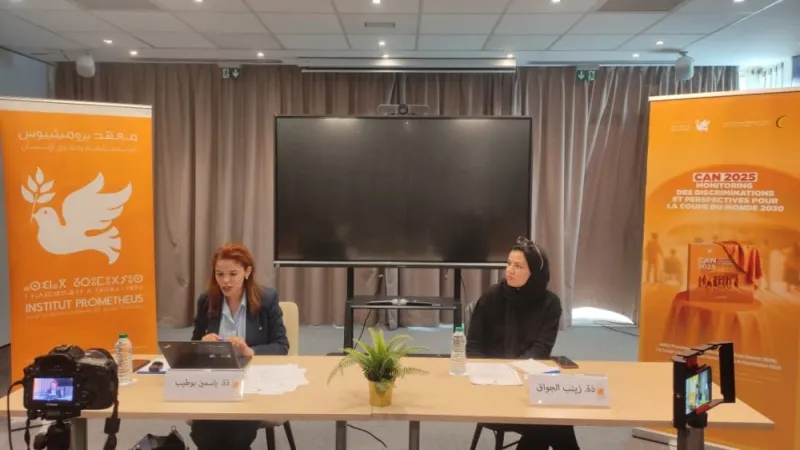
During the 2025 Africa Cup of Nations (AFCON) in Morocco, social media platforms became hotbeds for the amplification of harmful national stereotypes and online abuse directed at players and fans. Research from organizations like the Institute for Strategic Dialogue (ISD) and media analyses documented a significant spike in toxic commentary, often reducing complex national identities to simplistic and derogatory tropes.
Analysts noted that rivalries, particularly in high-stakes knockout matches, frequently devolved into waves of coordinated disinformation and xenophobic rhetoric on platforms like X (formerly Twitter), Facebook, and TikTok. False narratives and manipulated media ("deepfakes") were sometimes used to inflame tensions between supporter groups, moving beyond sports banter into genuine social harm.
The tournament's global online visibility acted as a megaphone for these issues. While federations like CAF promoted messages of unity, their effect was often drowned out by the volume of user-generated hate speech. This case highlights the ongoing challenge for sports governing bodies and social media companies in moderating real-time, large-scale events where emotion and national pride are easily weaponized.
Experts point to the 2025 AFCON as a clear example of how major sporting events can mirror and intensify broader societal divisions when played out on largely unmoderated digital platforms. The incident has spurred calls for more robust pre-emptive measures and real-time content moderation during future tournaments.