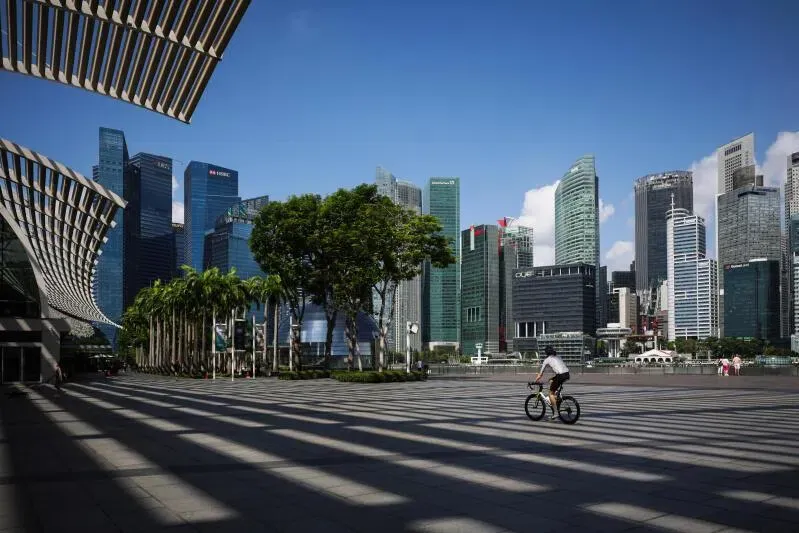
Singapore's government has directed all public facilities to adopt energy conservation measures to reduce electricity consumption, citing the ongoing conflict in the Middle East as a key concern for energy security and supply stability.
The Ministry of Sustainability and the Environment issued the directive, which applies across government buildings and facilities. Measures include adjusting air-conditioning temperatures, reducing non-essential lighting, and optimising energy use during peak hours, where practicable.
Singapore, which relies heavily on imported natural gas for its electricity generation, is particularly sensitive to disruptions in global energy markets stemming from geopolitical instability in the Middle East. Officials have emphasised that the measures are precautionary and aimed at demonstrating responsible energy stewardship.
The government has also encouraged the private sector and households to adopt similar energy-saving practices. Authorities noted that sustained conservation efforts would help buffer Singapore against potential price volatility and supply disruptions linked to the ongoing regional conflict.