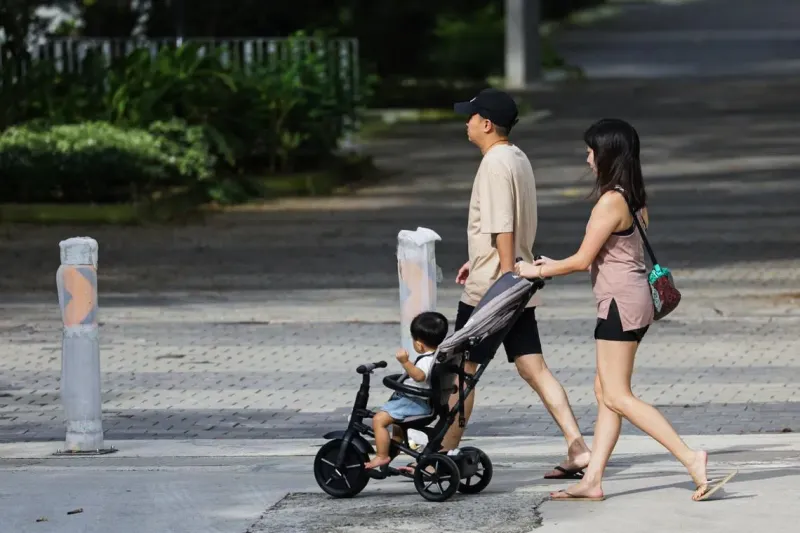
Singapore's total fertility rate (TFR) fell to 0.96 in 2025, according to the National Population and Talent Division (NPTD). This marks the first time the TFR has dropped below 1.0, and the number of babies born—estimated at 28,600—was the lowest since the country's independence in 1965.
The decline is attributed to rising costs of living, long working hours, and changing social norms. The government has introduced measures such as increased paternity leave and baby bonuses, but experts say these have not been enough to reverse the trend.
Meanwhile, deaths in Singapore rose to 26,000 in 2025, reflecting the rapidly aging population. The median age of Singaporeans is now 42.5 years, and the proportion of citizens aged 65 and above has reached 19.9%.
Prime Minister Lawrence Wong stated in a recent speech that the government is reviewing its population policies, but emphasized that there are no quick fixes. The NPTD projects that the TFR could fall further to 0.9 by 2030 if current trends continue.
Demographers warn that the shrinking workforce and rising healthcare costs could strain the economy. Singapore's total population stood at 5.92 million in 2025, with citizens making up 3.61 million.