The Executive Board of the International Monetary Fund (IMF) has approved the fourth and final review of Ghana's performance under the Extended Credit Facility (ECF), releasing $360 million and concluding the $3 billion bailout program that began in May 2023.
The approval, announced on July 28, 2026, brings the total disbursements under the 36-month ECF arrangement to $3 billion. The program aimed to restore macroeconomic stability, reduce debt vulnerabilities, and foster inclusive growth in the West African nation.
Ghana's economy has shown signs of recovery, with growth projected at 4.4% for 2026, down from earlier estimates but still positive. Inflation has declined from a peak of over 50% in 2022 to around 15% in mid-2026, according to IMF data.
The IMF noted that Ghana has made significant progress in fiscal consolidation, including a primary surplus in 2025, and has implemented structural reforms in the energy and cocoa sectors. However, challenges remain, including high public debt and external vulnerabilities.
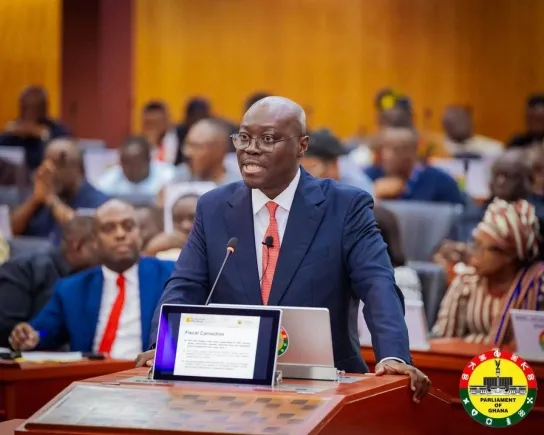
Finance Minister Dr. Mohammed Amin Adam welcomed the approval, stating that it marks a milestone in Ghana's economic recovery. The government plans to continue reforms to ensure long-term stability and growth.