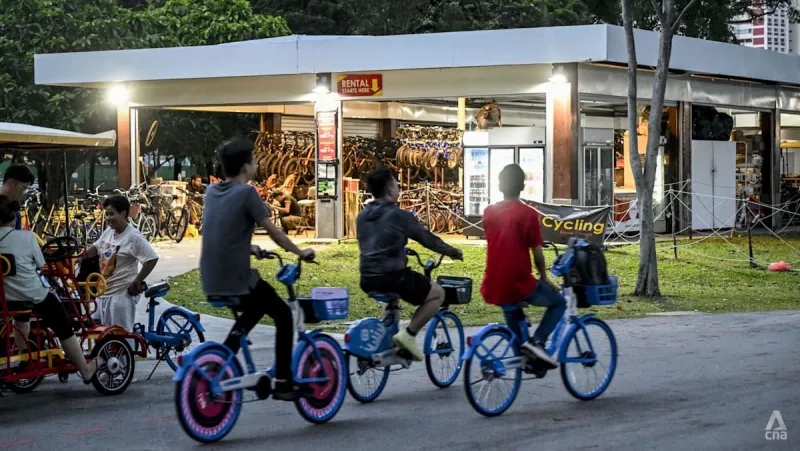
Singapore's traditional bicycle rental shops are struggling to survive as dockless bike-sharing services continue to expand across the city-state. Before the pandemic, long queues outside Mr Joe Chua's bicycle rental shop were common, with marked boxes on the floor to keep customers orderly. Today, he says business has dropped significantly, a trend echoed by other rental shop owners.
The rise of bike-sharing operators like Anywheel and SG Bike has changed commuting habits, offering affordable and convenient access to bicycles via mobile apps. According to the Land Transport Authority (LTA), the number of bike-sharing bicycles in Singapore has grown steadily, with Anywheel holding the largest fleet. This has directly impacted traditional rental shops, which rely on tourists and recreational cyclists.
Some shop owners have adapted by offering specialized services, such as high-end bike rentals, guided tours, or repairs. Others have diversified into selling cycling accessories or providing maintenance workshops. However, many small operators have closed, unable to compete with the low prices and 24/7 availability of bike-sharing.
The COVID-19 pandemic initially boosted cycling interest, but the recovery has been uneven. While bike-sharing usage surged during lockdowns, traditional rental shops saw a temporary uptick that faded as restrictions eased. Industry observers note that the future of these shops depends on their ability to differentiate from bike-sharing services and cater to niche markets.
For now, the battle for survival continues. Mr Chua, who has been in the business for over a decade, remains hopeful but acknowledges the challenges. He has started offering electric bike rentals and guided tours to attract customers, but admits it may not be enough. The LTA has not announced any specific support for traditional rental shops, focusing instead on regulating bike-sharing operators.