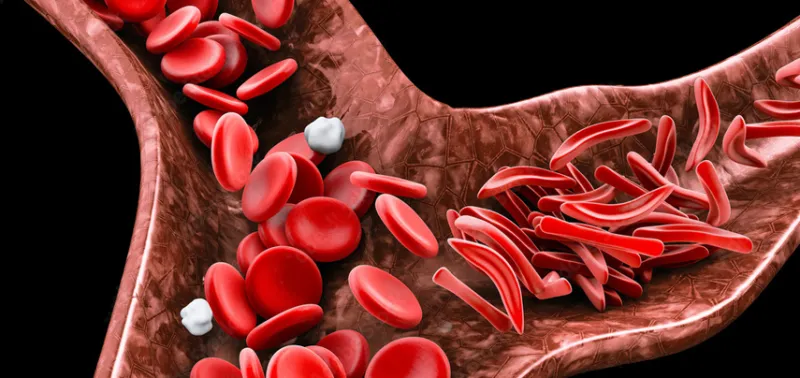
Health experts and medical researchers have called for swift and unified efforts to tackle the rising impact of sickle cell disease in Nigeria and throughout Sub-Saharan Africa. They stressed that without a deliberate, collaborative response, the condition could overwhelm healthcare systems in the region.
According to the World Health Organization, sickle cell disease affects approximately 20 million people globally, with the highest prevalence in Sub-Saharan Africa. Nigeria alone accounts for about 150,000 births annually with the condition, making it the country with the highest burden of sickle cell disease in the world.
Experts emphasize the need for increased awareness, early diagnosis, and access to affordable treatment. They also highlight the importance of genetic counseling and newborn screening programs to reduce the impact of the disease.
The call to action comes as healthcare systems in the region face multiple challenges, including limited resources and competing health priorities. Researchers urge governments and international partners to invest in comprehensive care models that include prevention, management, and support for patients and families.