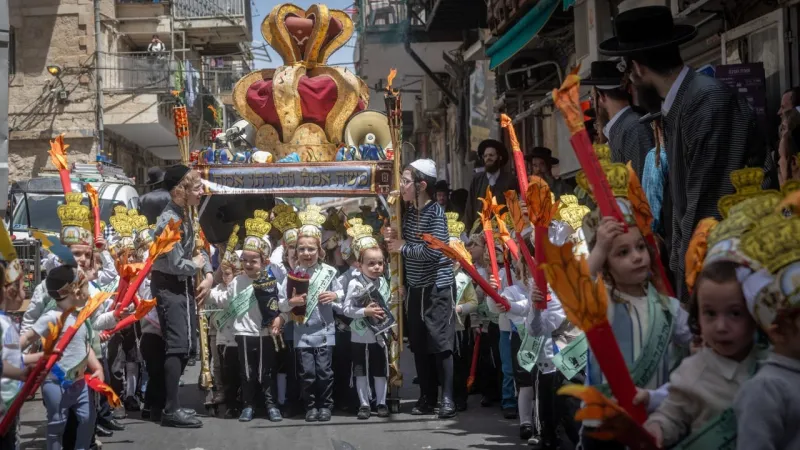
Shavuot, also known as the Festival of Weeks, is a Jewish holiday that occurs on the 6th of Sivan in the Hebrew calendar. It originally celebrated the wheat harvest in ancient Israel, as described in the Torah. The holiday also commemorates the giving of the Torah at Mount Sinai.
Historically, Shavuot has been associated with both tragic attacks and military victories. For example, during the 1948 Arab-Israeli War, Jewish forces captured the city of Acre on May 17, 1948, which fell during the Shavuot period. More notably, the Six-Day War began on June 5, 1967, which coincided with Shavuot that year, resulting in a significant Israeli military success.
In contrast, Shavuot has also seen attacks on Jewish communities. On June 2, 1990, a Palestinian militant attacked a bus of Israeli tourists near Cairo, Egypt, killing nine people, an event that occurred around Shavuot. Additionally, during the 2014 Gaza War, rocket attacks from Gaza targeted Israeli cities during the Shavuot holiday.
Today, Shavuot is observed with dairy meals, all-night Torah study, and reading the Book of Ruth. It remains a time of both celebration and reflection on Jewish history.