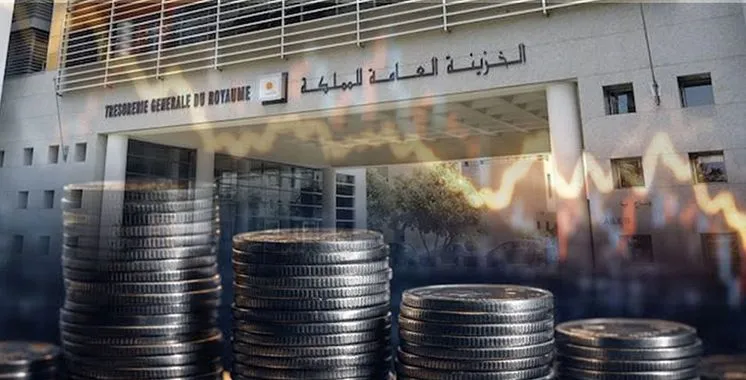
Senegal's decision to delay a new agreement with the International Monetary Fund (IMF) has come at a significant financial cost, according to recent analyses. The country's failure to secure a program by early 2026 has resulted in an estimated $1.2 billion shortfall in expected financing, as reported by the IMF's Article IV consultation in May 2026.
The delay stems from political tensions and disagreements over fiscal reforms, including subsidy cuts and tax increases. Without IMF backing, Senegal has faced higher borrowing costs and reduced access to international capital markets, with bond yields rising by approximately 150 basis points since late 2025.
Economic growth projections have been revised downward from 6.5% to 5.2% for 2026, according to the Senegalese Ministry of Finance. The fiscal deficit is expected to widen to 6.8% of GDP, exceeding the original target of 4.5%, as the government struggles to finance infrastructure projects without external support.
Critics argue that the pursuit of 'economic sovereignty' has been costly, while supporters maintain that the delay allowed for more favorable terms. However, the IMF has indicated readiness to resume negotiations once the government presents a credible fiscal consolidation plan.