Selma March 2026: Voting Rights Protest Continues
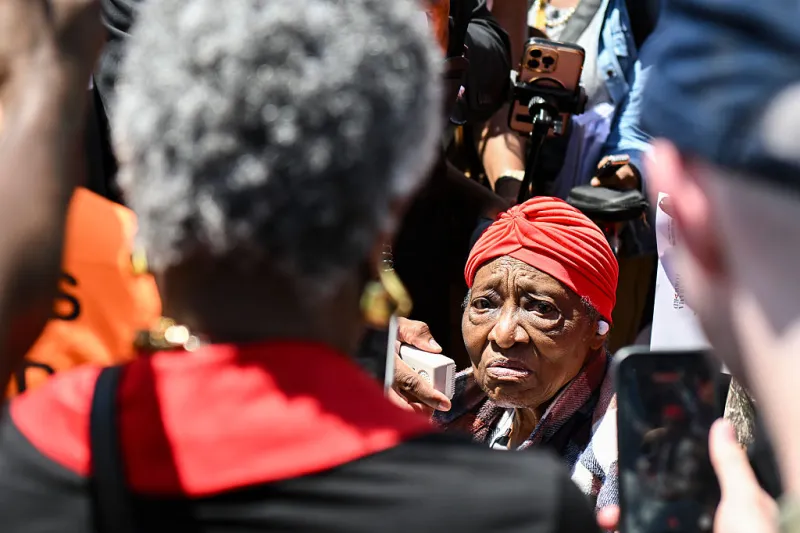
On May 16, 2026, hundreds marched in Selma, Alabama, to demand federal voting rights protections, echoing the 1965 Bloody Sunday.
May 17, 2026
1 min read
24 views
Source: salon.com
On May 16, 2026, hundreds of protesters marched across the Edmund Pettus Bridge in Selma, Alabama, to demand the restoration and strengthening of the Voting Rights Act. The demonstration, organized by civil rights groups including the NAACP and the Southern Poverty Law Center, marked the 61st anniversary of the 1965 Bloody Sunday, when state troopers attacked peaceful marchers.
Chants of 'We won't go back' echoed as participants called for Congress to pass the John Lewis Voting Rights Advancement Act, which would restore federal oversight of voting changes in states with a history of discrimination. The bill has stalled in the Senate since 2021.
Speakers highlighted ongoing voter ID laws, gerrymandering, and polling place closures that disproportionately affect Black and Latino communities. 'The fight for Selma is not over,' said Rev. William Barber II, co-chair of the Poor People's Campaign, in a speech at the bridge.
No arrests were reported, and the event remained peaceful. Organizers plan to continue monthly actions until federal legislation is passed.
❓ Frequently Asked Questions
What was the 1965 Bloody Sunday?
On March 7, 1965, Alabama state troopers attacked peaceful marchers crossing the Edmund Pettus Bridge in Selma, who were protesting for voting rights. The event galvanized support for the Voting Rights Act of 1965.
What is the John Lewis Voting Rights Advancement Act?
It is a bill introduced in Congress that would restore federal preclearance requirements for voting changes in states with a history of discrimination, as originally mandated by the 1965 Voting Rights Act but weakened by a 2013 Supreme Court decision.
Why are voting rights still an issue in 2026?
Despite the 1965 law, many states have passed voter ID laws, closed polling places, and engaged in gerrymandering, which advocates say disproportionately suppress minority turnout. Federal protections have not been updated since 2013.