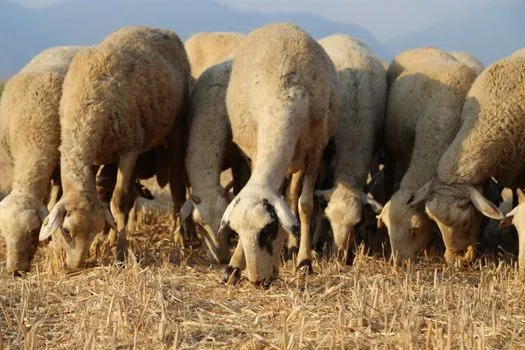
South Dakota State University (SDSU) Extension is encouraging livestock producers to test forage for nitrate levels to prevent potential poisoning in animals. High nitrate levels can occur in forages like corn, sorghum, and oats, particularly after drought, frost, or other stress events.
According to SDSU Extension, nitrates accumulate in plants when growth is stunted but soil nitrogen remains available. When consumed, nitrates convert to nitrites in the rumen, interfering with oxygen transport and potentially causing death. Testing is recommended before grazing or feeding hay, especially from fields that experienced stress.
Producers can send forage samples to a certified lab for analysis. SDSU Extension provides guidelines on safe nitrate levels: less than 1,000 parts per million (ppm) is generally safe, while levels above 2,300 ppm require caution. For levels above 4,000 ppm, forage should be diluted or avoided.
For more information, producers can contact their local SDSU Extension office or visit the SDSU Extension website for resources on sampling and interpretation.