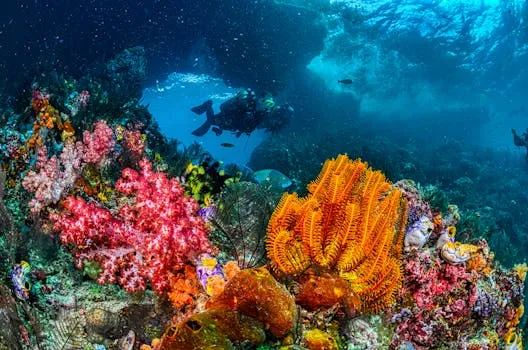
A new study has found that scuba-diving tourists, despite their good intentions to conserve coral reefs, are inadvertently causing significant damage to these fragile ecosystems. The research, conducted by Australian scientists, highlights the unintended consequences of tourism at popular reef destinations.
The study, published in the Journal of Environmental Management, observed divers at several sites on the Great Barrier Reef. Researchers found that even well-trained divers frequently made physical contact with the coral, either with their hands, fins, or equipment. This contact can break or abrade the coral, leading to disease and death.
Lead author Dr. Kaylee Smith of James Cook University stated, 'Divers often want to get a closer look or steady themselves, but even a light touch can damage the coral's protective mucus layer and cause lasting harm.' The study estimates that a single diver can cause up to 15 contacts per dive, with cumulative effects over thousands of dives annually.
The findings suggest that improved diver education and stricter enforcement of 'no-touch' policies could reduce damage. The researchers recommend pre-dive briefings that emphasize the fragility of coral and the importance of buoyancy control.