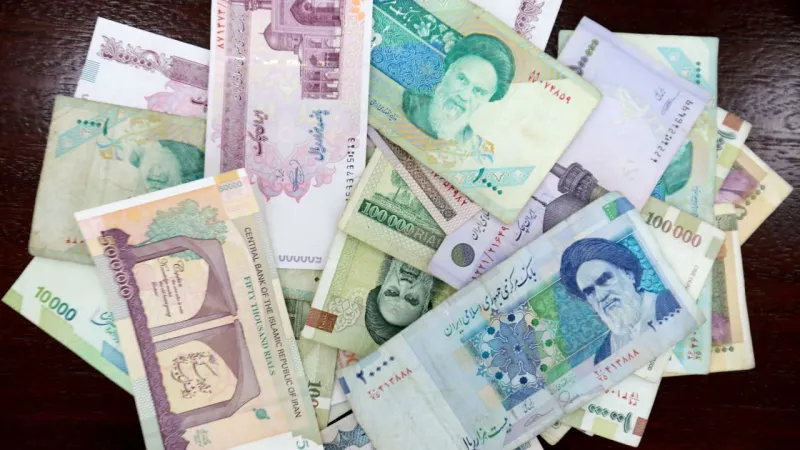
As of June 2026, the United States continues to enforce a policy of maximum pressure on Iran, including economic sanctions targeting its oil exports and financial networks. According to the U.S. Department of the Treasury, these measures are designed to disrupt Iran's ability to fund proxy groups such as Hezbollah, Hamas, and the Houthis, which are designated as terrorist organizations by the U.S. and other nations.
Iran's oil revenue, a key source of funding for its proxy network, has been significantly reduced since the reimposition of sanctions in 2018. The International Energy Agency reported that Iran's oil exports dropped from 2.5 million barrels per day in 2018 to around 400,000 barrels per day in 2020, though recent estimates suggest some recovery to about 1.5 million barrels per day in 2025 due to evasion tactics.
Experts at the Center for Strategic and International Studies note that while sanctions have constrained Iran's economy, the regime has adapted by using front companies and barter trade to continue financing its proxies. The U.S. Treasury has imposed additional sanctions on entities involved in this activity, including several Chinese and Emirati firms in 2025.
The effectiveness of this approach remains debated. A 2025 report by the Congressional Research Service indicated that Iran's proxy network remains active, with Hezbollah maintaining significant military capabilities in Lebanon and the Houthis continuing attacks in Yemen. However, the report also noted that economic pressure has forced Iran to prioritize funding for its most critical allies.