Samsung Bioepis has announced new follow-up data from a Phase 3 clinical trial for its proposed osteoporosis biosimilar, Obodence (denosumab). The company stated the data demonstrates continued biosimilarity to the reference biologic, Prolia (denosumab), in postmenopausal women with osteoporosis.
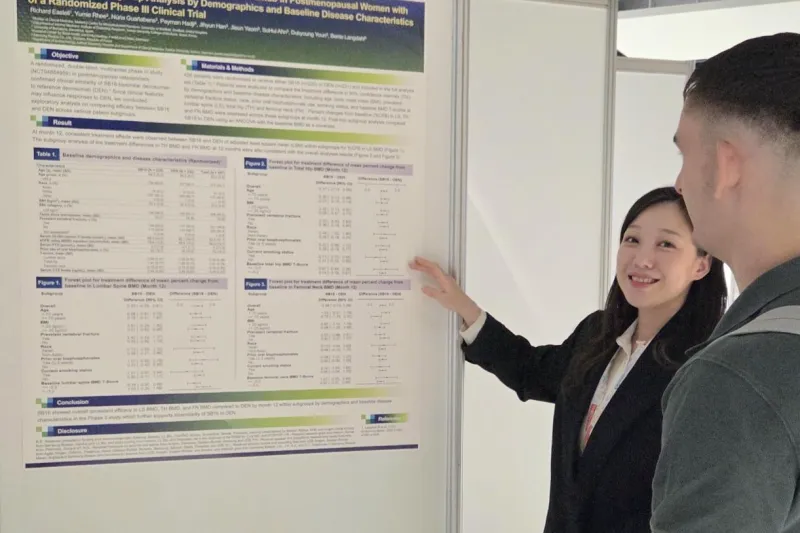
The 12-month data, presented at a recent medical congress, showed that Obodence matched Prolia in terms of efficacy, safety, and immunogenicity. The primary endpoint was the percentage change in lumbar spine bone mineral density from baseline to month 12, which was equivalent between the two treatment groups.
Denosumab biosimilars like Obodence are intended to provide a more accessible treatment option for bone loss conditions. Samsung Bioepis plans to submit regulatory applications for Obodence based on this complete Phase 3 data package. The biosimilar candidate is also being studied for its use in preventing skeletal-related events in cancer patients.