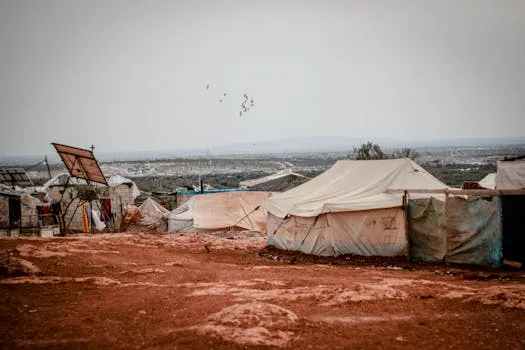
As of April 24, 2026, Sahrawi refugees in the Tindouf camps of Algeria are entering their 50th year of exile, with the third generation still unable to lead a normal life. The conflict over Western Sahara, a disputed territory between Morocco and the Polisario Front, began in 1975 after Spain withdrew. The United Nations has classified the situation as one of the world's most protracted refugee crises.
According to the UN High Commissioner for Refugees (UNHCR), approximately 173,000 Sahrawi refugees are registered in the camps. The population includes many born in exile, who have never seen their ancestral homeland. The lack of a political resolution has left them in legal limbo, without citizenship or the right to return.
Human rights organizations, including Amnesty International, have repeatedly called for a solution. The UN Mission for the Referendum in Western Sahara (MINURSO) remains deployed, but a promised referendum on self-determination has been stalled for decades. The refugees rely on international aid for food, water, and education, but conditions remain harsh.
In 2025, the UN Security Council renewed MINURSO's mandate, urging both parties to resume negotiations. However, no breakthrough has been achieved. The Sahrawi Arab Democratic Republic (SADR), proclaimed by the Polisario Front, is recognized by some African and Latin American countries but not by the UN.
The third generation of refugees faces limited opportunities. Many young Sahrawis seek education abroad, but without passports or recognized documents, they often face barriers. The UNHCR and other agencies provide some vocational training, but the lack of a durable solution perpetuates the crisis.