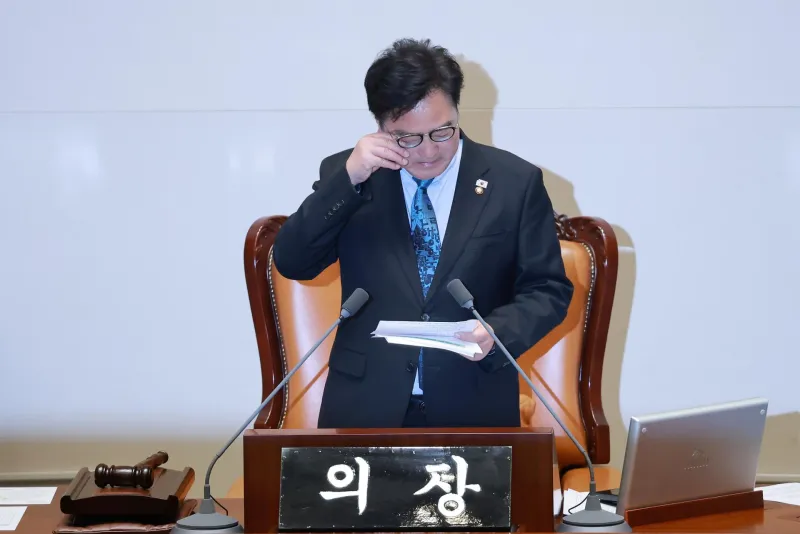
South Korea's latest attempt at constitutional reform collapsed in the National Assembly on May 3, 2026, undone by partisan calculations that prevented the required two-thirds majority vote. The reform, which aimed to revise the presidential term structure and strengthen local autonomy, failed to pass before the legislative deadline.
The proposed amendments included reducing the presidential term from five years to four years, allowing for a possible second term, and expanding the powers of local governments. However, the ruling and opposition parties could not agree on key provisions, leading to the bill's failure.
According to the National Assembly's official records, the reform bill received 180 votes in favor, short of the 200 needed for passage. The opposition Democratic Party of Korea opposed the changes, arguing they would concentrate too much power in the executive branch.
This marks the third failed constitutional reform attempt since 2018, highlighting the deep political divisions in South Korea. President Yoon Suk Yeol had prioritized the reform as part of his agenda, but the outcome reflects ongoing gridlock.