The RSPCA has reported a 12% increase in the number of animals harmed by litter in 2025 compared to the previous year, according to data released on June 7, 2026. The charity received 5,091 reports of animals affected by rubbish, up from 4,548 in 2024.
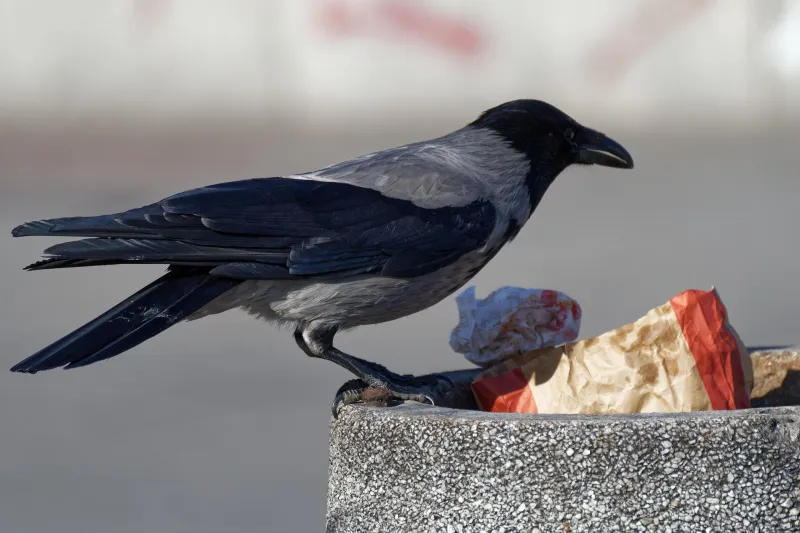
Common incidents include animals becoming entangled in discarded items such as plastic rings, fishing lines, and netting, or ingesting sharp objects like glass and metal. The RSPCA highlights that wildlife, particularly hedgehogs, foxes, and birds, are most at risk.
To address this, the RSPCA is calling on the public to organize local litter picks and to dispose of waste responsibly. The charity emphasizes that simple actions, such as cutting plastic rings before disposal and recycling fishing lines, can prevent injuries and save lives.
This appeal comes during the summer months when outdoor activities increase, leading to more litter in parks, beaches, and countryside areas. The RSPCA urges everyone to take part in community clean-ups to protect local wildlife.