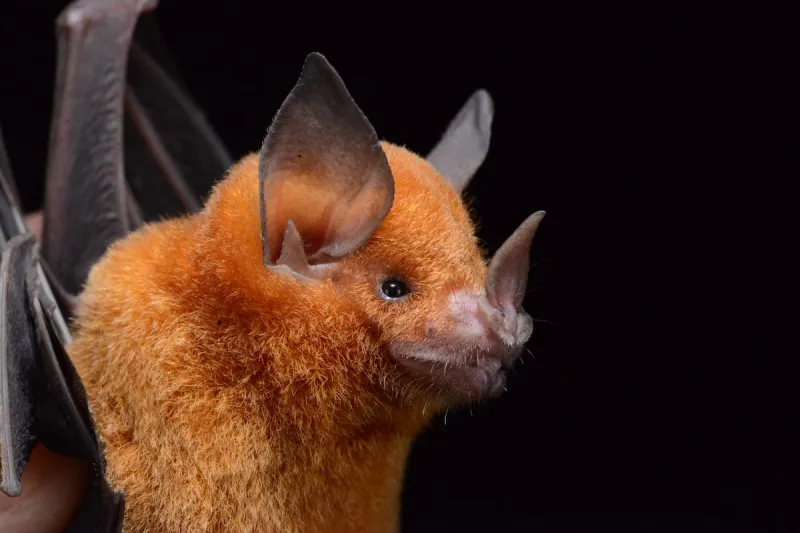
The Royal Ontario Museum (ROM) has provided crucial genetic samples for a multiyear research project that is revising the family tree of bats, according to the museum. The study aims to clarify the evolutionary relationships among the world's more than 1,500 bat species.
Bats account for about 20 per cent of all mammal species, making them one of the most diverse groups of mammals on Earth. Understanding their genetic connections is essential for conservation and for understanding how diseases can spread between species.
The ROM's contribution includes tissue samples from its extensive bat collection, which researchers are using to extract DNA for analysis. The project involves scientists from multiple institutions and is expected to result in a revised classification of bat families and genera.
While the full findings have not yet been published, the collaboration highlights the role of museum collections in modern genetic research. The ROM's bat collection is among the largest in Canada and serves as a vital resource for studying biodiversity.