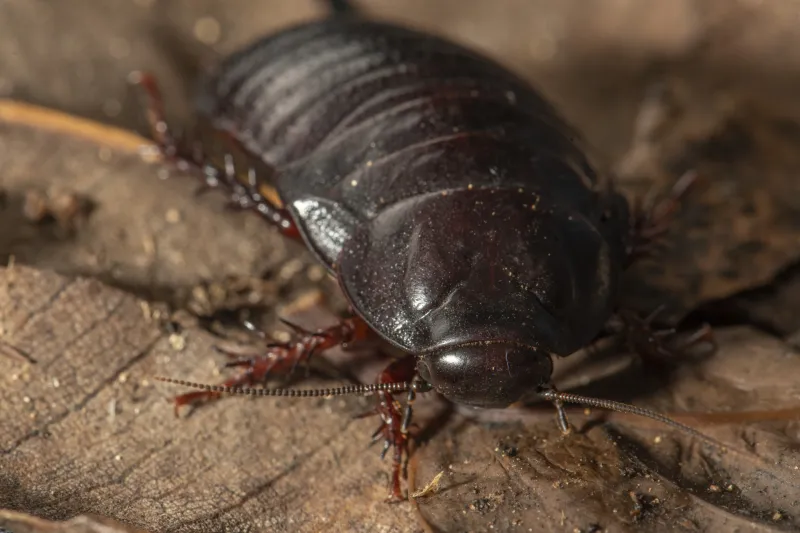
Researchers from the University of Sydney and collaborators have documented a sharp rebound in invertebrate life on Lord Howe Island following the successful eradication of invasive rodents. The study, published in the journal Science Advances on May 22, 2026, found that insect abundance increased by 200% within two years of the removal of rats and mice.
The eradication program, completed in 2019, involved a baiting campaign to eliminate the rodents that had devastated native insect populations. The research team, led by Dr. Alex Berryman, conducted surveys comparing invertebrate numbers before and after the eradication. They observed significant increases in species such as beetles, moths, and spiders, which are crucial for pollination and nutrient cycling.
“The recovery was faster and more dramatic than we expected,” said Dr. Berryman in a statement. “This shows that removing invasive predators can have immediate positive effects on native biodiversity.” The study also noted that the rebound was particularly strong in areas where rodents had been most abundant.
Lord Howe Island, a UNESCO World Heritage site, is home to many endemic species. The rodent eradication is part of broader conservation efforts to protect its unique ecosystem. The researchers emphasize that continued monitoring is needed to ensure long-term recovery and to prevent reinvasion.