Emergency responders often face significant challenges when transitioning from rescue operations to recovery efforts in major incidents, according to recent analyses of disaster response protocols. This phase shift requires careful coordination and resource management to ensure effective outcomes.
In many large-scale emergencies, such as natural disasters or industrial accidents, the initial rescue phase focuses on saving lives and stabilizing the situation. However, as operations move into recovery, responders must address long-term needs like debris removal, infrastructure repair, and community support.
Experts emphasize that training and preparedness are crucial for this transition. For instance, the Federal Emergency Management Agency (FEMA) in the United States provides guidelines for managing these phases, but real-world application can vary based on the scale and nature of the incident.
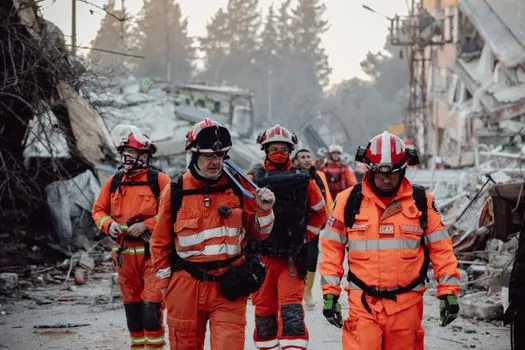
Recent events, such as the 2025 earthquake in Turkey and Syria, demonstrated the complexities of moving from rescue to recovery. International aid organizations worked alongside local responders to provide shelter, medical care, and psychological support to affected populations.
Overall, the ability to effectively manage this transition is critical for minimizing long-term impacts on communities and ensuring that resources are allocated efficiently.