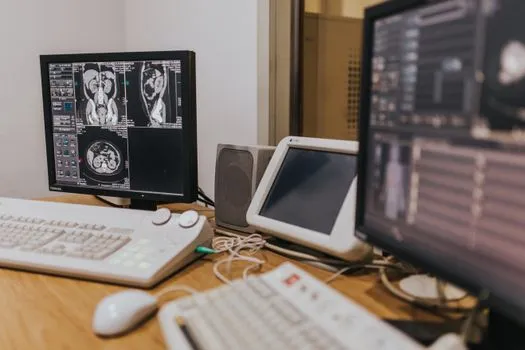
A new guide has been released to address the challenge of outpatient radiologist shortages by enabling remote supervision of contrast-enhanced imaging procedures. The guide, which is only available in paid plans, focuses on protocols for supervising contrast administration when an on-site radiologist is not available.
Contrast-enhanced imaging, such as CT and MRI with intravenous contrast, typically requires a radiologist to be present or immediately available to manage potential adverse reactions. However, many outpatient centers struggle to recruit radiologists, leading to limited access to these essential diagnostic services.
The guide likely outlines workflows for remote supervision, including telemedicine links, delegation to trained nurses or technologists, and emergency protocols. While the exact details are behind a paywall, the release highlights a growing trend toward telemedicine solutions in radiology to mitigate workforce shortages.
As of September 2026, the full content of the guide remains accessible only to subscribers. Further information on its specific recommendations and evidence base is not publicly available.