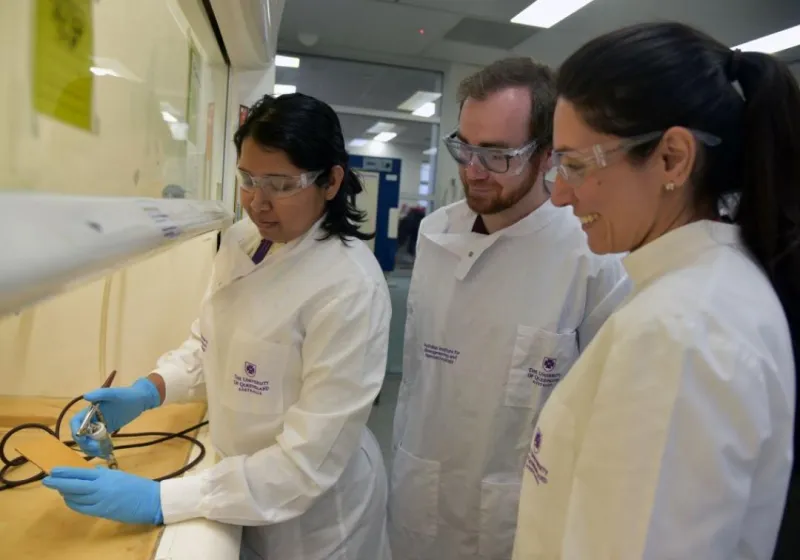
Researchers at the University of Queensland are conducting a trial of an antimicrobial coating designed to prevent healthcare-associated infections (HAIs) on hospital surfaces and equipment. The coating aims to reduce the spread of dangerous pathogens, including methicillin-resistant Staphylococcus aureus (MRSA), commonly known as golden staph.
Healthcare-associated infections are a significant burden on health systems worldwide. In Australia, these infections are estimated to cost the health system approximately $1 billion annually, according to previous studies. The trial represents a potential breakthrough in infection control, offering a proactive approach to surface contamination.
The coating is being tested for its effectiveness in real-world hospital settings. If successful, it could become a valuable tool in the ongoing fight against antibiotic-resistant bacteria, which pose a growing threat to public health. Further details about the trial's timeline and specific outcomes are not yet available.