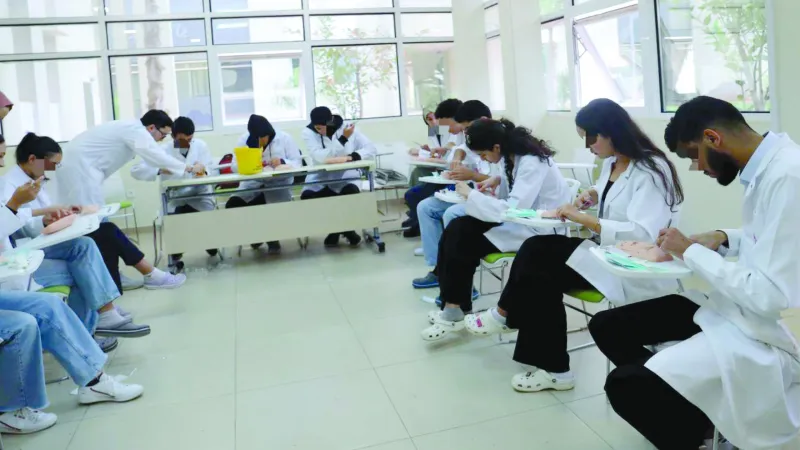
Public medical schools globally are confronting unprecedented challenges in the 21st century, including funding constraints, faculty shortages, and the need to integrate digital health technologies into curricula. According to a 2025 report by the World Health Organization, many institutions struggle to retain qualified educators due to competitive salaries in the private sector.
In France, the government announced in March 2026 a €500 million investment to modernize university hospitals and increase medical school capacity by 20% by 2030. This initiative aims to address a projected shortage of 50,000 physicians by 2035, as reported by the French Ministry of Health.
Similarly, in the United States, the Association of American Medical Colleges (AAMC) noted in its 2025 annual report that public medical schools have seen a 15% increase in applications since 2020, but faculty positions have grown by only 5%, leading to higher student-to-teacher ratios.
Adapting to digital health is another key challenge. A 2024 study in The Lancet found that only 30% of medical schools worldwide have integrated telemedicine training into their core curriculum. Experts call for accelerated adoption of AI and data science in medical education to prepare future doctors for a technology-driven healthcare landscape.