Protests in PoK: History and Constitutional Crisis

Protests in Pakistan-administered Kashmir stem from constitutional disputes and historical grievances, with no resolution in sight.

Protests in PoK: History and Constitutional Crisis

Image: dnaindia.com

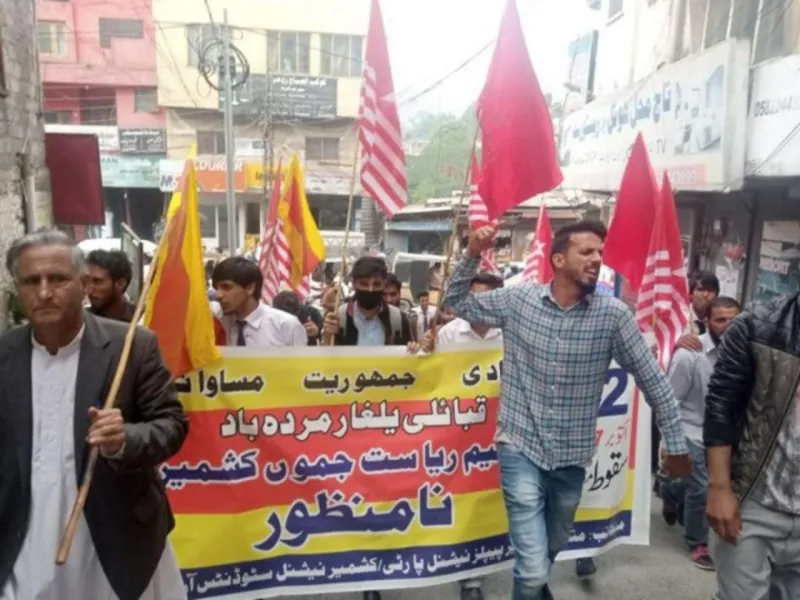
Protests have repeatedly erupted in Pakistan-administered Kashmir (PoK) due to a long-standing constitutional crisis and historical grievances. The region's status as a disputed territory under the United Nations resolutions has fueled demands for self-determination, while local governance issues exacerbate tensions.

In recent years, protests have been triggered by constitutional amendments that centralize power in Islamabad, undermining the autonomy promised to PoK. For example, the 2018 Supreme Court ruling in Pakistan allowed the federal government to extend its authority over the region, sparking widespread demonstrations.

Economic disparities and lack of political representation also contribute to unrest. The region's economy relies heavily on remittances and agriculture, but unemployment and inflation remain high. Despite periodic talks, no lasting solution has been achieved, and protests continue as a recurring feature of PoK's political landscape.
❓ Frequently Asked Questions

What is the main cause of protests in PoK?

The main cause is a constitutional crisis where Pakistan's federal government has centralized power, reducing the autonomy promised to the region, along with historical demands for self-determination.

How did the 2018 Supreme Court ruling affect PoK?

The 2018 ruling allowed Pakistan's federal government to extend its authority over PoK, which was seen as a violation of the region's autonomy and sparked widespread protests.

Are there economic factors behind the protests?

Yes, high unemployment, inflation, and economic disparities, despite reliance on remittances and agriculture, contribute to public discontent and fuel protests.

📰 Source:
dnaindia.com →
Share: