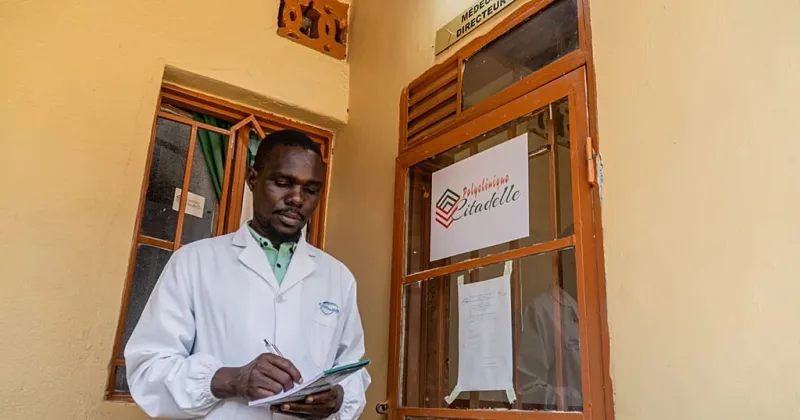
In Bunia, the epicenter of the Ebola outbreak in the Democratic Republic of Congo, private clinics are playing a major role in receiving and referring patients, as many residents avoid public hospitals due to fear of infection and distrust. According to local health officials, these clinics have become the first point of contact for suspected cases, helping to reduce delays in treatment.
The outbreak, declared in April 2026, has seen over 200 cases and 100 deaths as of June 2026, according to the World Health Organization. Private clinics, often smaller and less equipped, are now collaborating with international health teams to ensure proper isolation and referral to Ebola treatment centers.
Community engagement remains a challenge, with misinformation and stigma hindering response efforts. Health workers are conducting door-to-door campaigns to build trust and encourage early reporting of symptoms. The use of private clinics highlights the need for flexible health systems during crises.