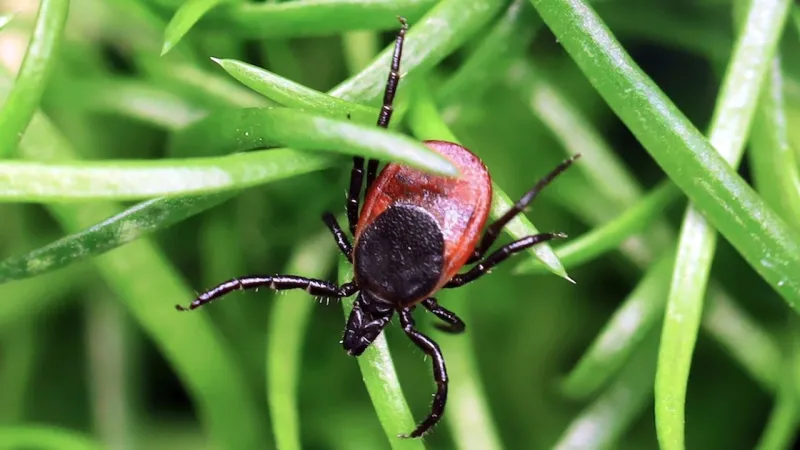
Powassan virus: Rare tick-borne disease spreading in US

Powassan virus, a rare tick-borne disease with up to 10% fatality rate, is spreading in the US, with cases reported in multiple states.

Powassan virus: Rare tick-borne disease spreading in US

Image: foxnews.com

Powassan virus, a rare but potentially fatal tick-borne illness, is spreading in the United States, with cases reported in multiple states including New York, Massachusetts, and Wisconsin. The virus, first identified in 1958 in Powassan, Ontario, after a young boy died from encephalitis, is transmitted by the black-legged tick (Ixodes scapularis) and the groundhog tick (Ixodes cookei).

According to the Centers for Disease Control and Prevention (CDC), there have been 20 to 100 cases reported annually in recent years, with about 10% of cases being fatal. Symptoms include fever, headache, vomiting, weakness, confusion, seizures, and memory loss. There is no specific treatment or vaccine for Powassan virus; care is supportive.

Experts warn that climate change may be expanding the range of ticks, increasing human exposure. The CDC advises prevention through avoiding tick habitats, using insect repellent, and performing tick checks after outdoor activities.


❓ Frequently Asked Questions

What is Powassan virus?

Powassan virus is a rare tick-borne virus that can cause encephalitis (inflammation of the brain) and meningitis. It is transmitted by infected ticks, primarily the black-legged tick and groundhog tick.

How can I prevent Powassan virus?

Prevention includes avoiding tick habitats (wooded and brushy areas), using EPA-registered insect repellents, wearing long sleeves and pants, and performing thorough tick checks after being outdoors.

Is there a treatment for Powassan virus?

There is no specific antiviral treatment or vaccine for Powassan virus. Medical care focuses on supportive treatment for symptoms, such as hospitalization for severe cases.

📰 Source:
foxnews.com →
Share: