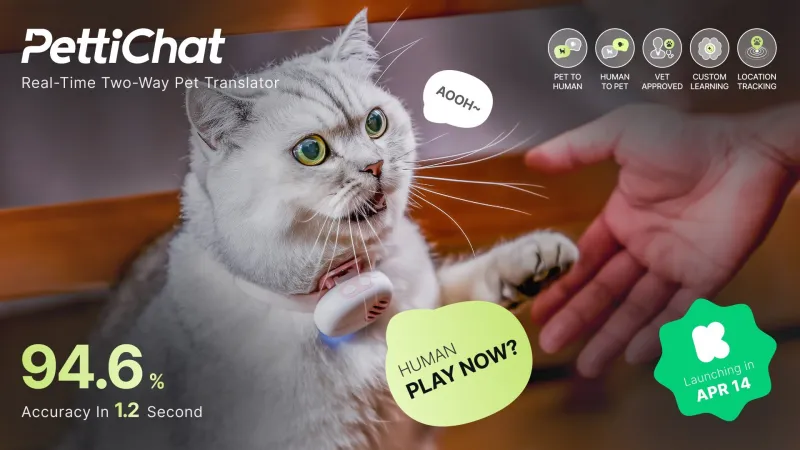
A Kickstarter campaign for a device called PettiChat, which claimed to be a real-time pet translator, ended unsuccessfully in 2025. The project sought to raise $50,000 but received only a small fraction of that amount before the campaign was canceled by its creator.
According to the archived campaign page, PettiChat was proposed as a wearable device for pets that would use AI to analyze vocalizations and body language, translating them into human language via a smartphone app. The campaign made bold claims about enabling conversations with cats and dogs.
Experts in animal behavior and bioacoustics have consistently expressed skepticism about such devices. They note that while technology can identify patterns in animal sounds associated with specific contexts or emotions, the concept of a direct, conversational translation as implied by the campaign is not supported by current science. The fundamental ways animals and humans communicate are vastly different.
The failure of the PettiChat campaign follows a pattern of similar unsuccessful projects on crowdfunding platforms. Devices promising to translate animal thoughts or speech have repeatedly failed to deliver functional products after fundraising, highlighting the gap between marketing claims and technological reality in this field.