Pakistan's automobile industry is navigating a period of significant uncertainty as the government implements tariff rationalization measures under its International Monetary Fund (IMF) program. The protective gap between imported completely built units (CBUs) and locally assembled vehicles has narrowed, impacting local assemblers.
According to industry reports and data from the Pakistan Automobile Manufacturers Association (PAMA), car sales in the fiscal year ending June 2026 dropped by approximately 15% compared to the previous year, reflecting reduced demand amid higher prices and economic pressures. The government reduced regulatory duties on imported vehicles in phases starting early 2026, as part of commitments to the IMF under the Extended Fund Facility (EFF) approved in 2025.
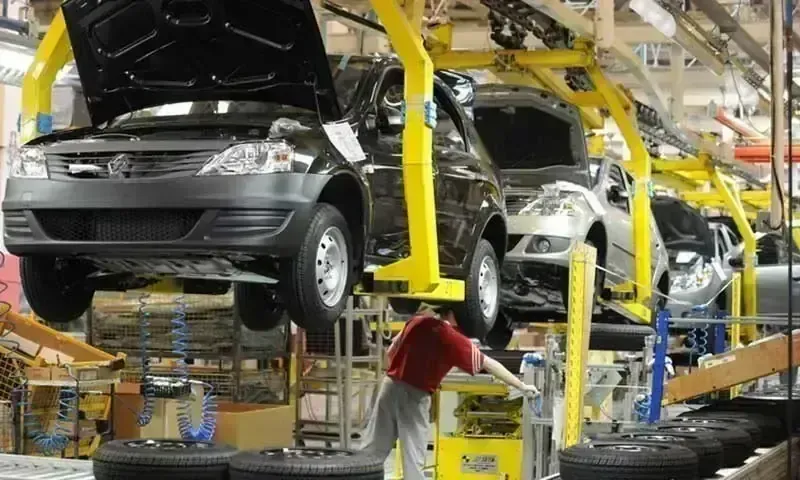
Local assemblers, including major players like Indus Motor Company (Toyota), Pak Suzuki, and Honda Atlas, have reported lower production volumes and profit margins. The reduction in tariffs has made imported cars more competitive, pressuring local manufacturers to cut costs and improve efficiency. However, the government has also introduced incentives for electric vehicle (EV) production to encourage investment in new technology.
Industry analysts note that the long-term impact will depend on the pace of further tariff reductions and the ability of local assemblers to adapt. The government aims to balance consumer interests with industrial growth, but the transition has created short-term challenges for the sector.