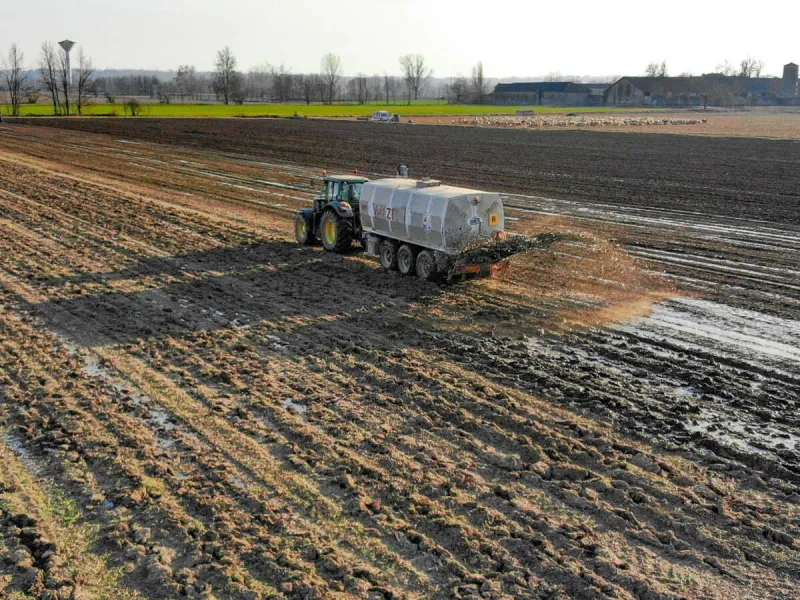
The European Commission has approved an emergency plan to address a potential fertilizer shortage caused by ongoing tensions in the Strait of Hormuz, a critical maritime chokepoint for global trade. The plan, announced on May 18, 2026, aims to secure alternative supply routes and boost domestic production of fertilizers to mitigate risks to agriculture.
The Strait of Hormuz, through which about 20% of the world's oil and a significant portion of liquefied natural gas passes, is also a key route for fertilizer raw materials like ammonia and potash. Recent geopolitical instability in the region has led to disruptions in shipping, raising concerns about a shortage that could impact crop yields worldwide.
The EU's emergency measures include financial support for farmers to purchase fertilizers from non-traditional sources, incentives for European fertilizer manufacturers to increase output, and a temporary relaxation of import tariffs on certain fertilizer products. The plan is part of a broader strategy to enhance food security in the bloc.
Agricultural experts warn that a prolonged disruption could lead to higher food prices and reduced harvests, particularly in developing countries that rely heavily on imports. The EU has urged member states to coordinate their responses and to consider strategic reserves of key fertilizers.
The situation remains fluid, with diplomatic efforts underway to de-escalate tensions in the region. The EU Commission will monitor the impact of the plan and adjust measures as needed over the coming months.