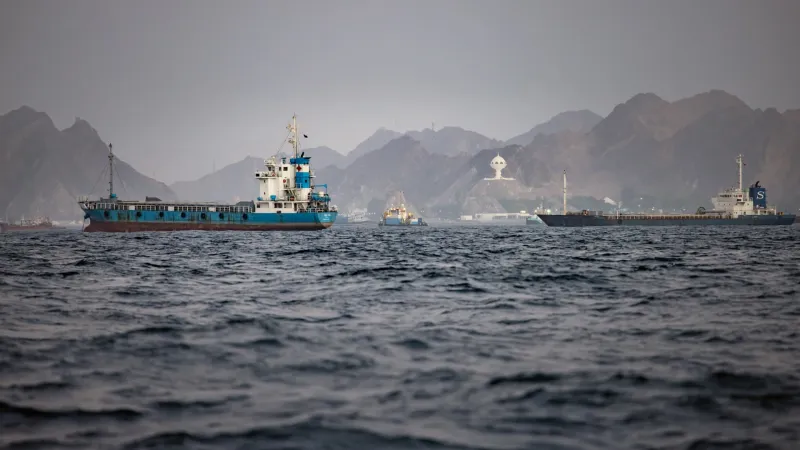
Oil prices rose on Friday, July 17, 2026, as investors weighed escalating tensions between the United States and Iran. Tehran has vowed to target regional infrastructure if President Donald Trump follows through on threats to strike key Iranian facilities, according to reports.
International benchmark Brent crude rose 1.2% to $78.45 a barrel, while U.S. West Texas Intermediate crude gained 1.1% to $74.30 a barrel. The Strait of Hormuz, a vital chokepoint for global oil shipments, remains a focal point of concern.
Iran's Foreign Ministry warned that any attack on its nuclear or military sites would be met with retaliation against energy infrastructure in the region. The U.S. has not confirmed specific strike plans but has maintained a military presence in the Persian Gulf.
Analysts say the risk of supply disruptions from the Strait of Hormuz, through which about 20% of global oil passes, is driving prices. However, no actual disruptions have been reported as of July 17.