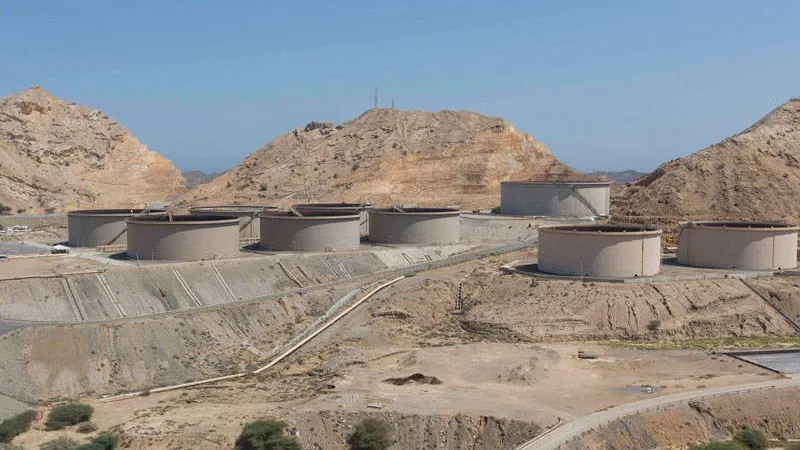
As of July 21, 2026, the global oil market faces heightened vulnerability to price spikes due to the depletion of key buffers that previously cushioned shocks from the Iran conflict. Strategic petroleum reserves in major consuming nations, including the U.S. Strategic Petroleum Reserve, have been drawn down significantly since 2022 and are not fully replenished. Spare production capacity, primarily held by Saudi Arabia and the UAE, is estimated at around 2-3 million barrels per day, down from historical levels of 4-5 million bpd, according to the International Energy Agency.
The re-escalation of tensions in the Middle East, particularly involving Iran, has raised concerns about potential disruptions to oil shipments through the Strait of Hormuz, a chokepoint for about 20% of global oil supply. Recent attacks on tankers and military posturing have increased risk premiums in crude futures markets. Brent crude prices have risen above $90 per barrel, up from $75 in early 2026, reflecting these geopolitical risks.
OPEC+ production cuts, extended through 2026, have further tightened supply. The group's compliance with output targets has been high, limiting the availability of additional barrels. Meanwhile, global oil demand remains robust, driven by economic growth in Asia and recovering industrial activity, according to the latest monthly oil market report from the IEA.
Analysts warn that without adequate spare capacity and strategic stocks, any significant supply disruption could lead to sharp price increases, impacting consumers and economies worldwide. The situation underscores the fragile balance in oil markets amid ongoing geopolitical instability.