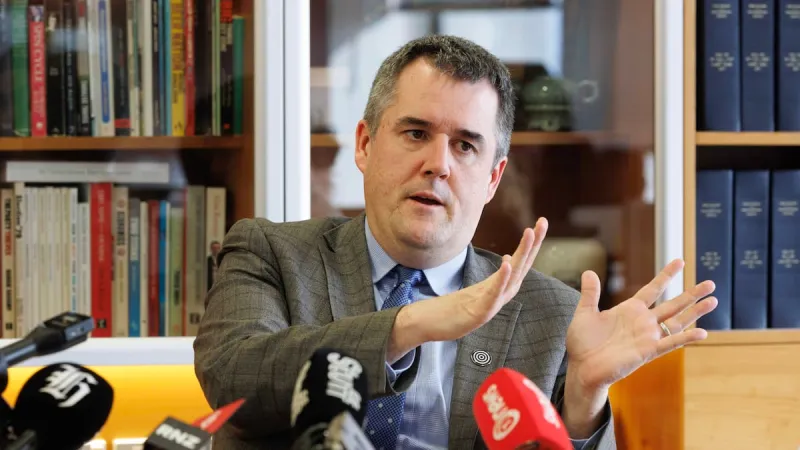
New Zealand Housing Minister Chris Bishop has announced a major overhaul of the country's social housing system, including potential duration limits on tenancies and changes to how housing need is assessed. The reforms target people currently sleeping rough, those with mental health issues, and individuals facing discrimination in the private rental market.
Bishop stated that reforming the system will involve 'hard choices' and could be difficult for some, but emphasized the need for change. The announcement comes as part of the government's broader housing strategy to address New Zealand's housing crisis.
The proposed changes include a new assessment framework to better prioritize those with the highest need, and possible time limits on social housing tenancies to encourage movement into private rentals or other housing options. Details on the specific duration limits and implementation timeline have not yet been finalized.
The government has indicated it will consult with housing providers and community groups before finalizing the reforms. The announcement has drawn mixed reactions from advocacy groups, with some welcoming the focus on rough sleepers and others expressing concern about potential negative impacts on vulnerable tenants.