For individuals with chronic kidney disease (CKD), managing dietary potassium is crucial to prevent dangerous blood level elevations. Medical nutritionists consistently recommend a diet focused on low-potassium foods, including specific fruits.
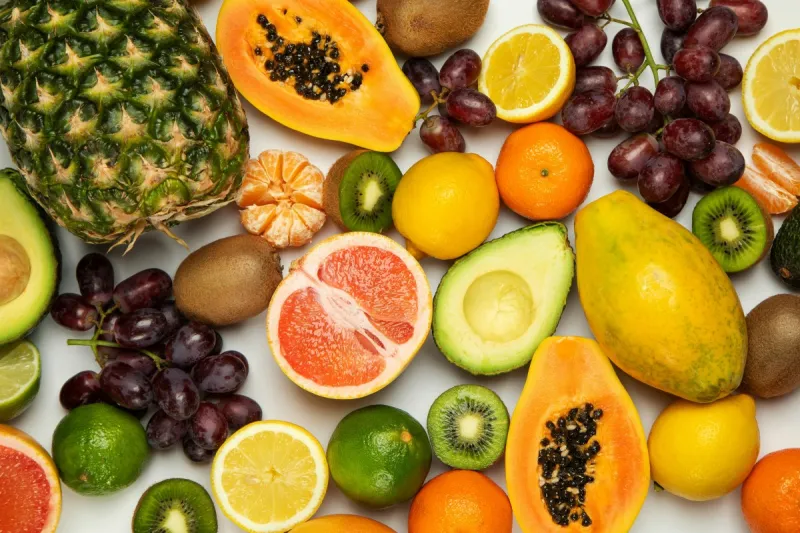
Low-potassium fruits, generally defined as those containing less than 200 mg of potassium per standard serving, are considered safer choices. Commonly recommended options include apples, berries (like blueberries, strawberries, and raspberries), grapes, pineapple, watermelon, peaches, plums, and tangerines. Portion control remains essential, even with these lower-potassium selections.
Nutritionists often use a "traffic light" system to categorize foods by potassium content, with low-potassium items in green. Patients are advised to avoid or strictly limit high-potassium fruits like bananas, oranges, kiwis, avocados, and dried fruits. Dietary needs vary based on individual kidney function and lab results, so consulting a registered dietitian or nephrologist for personalized advice is paramount.