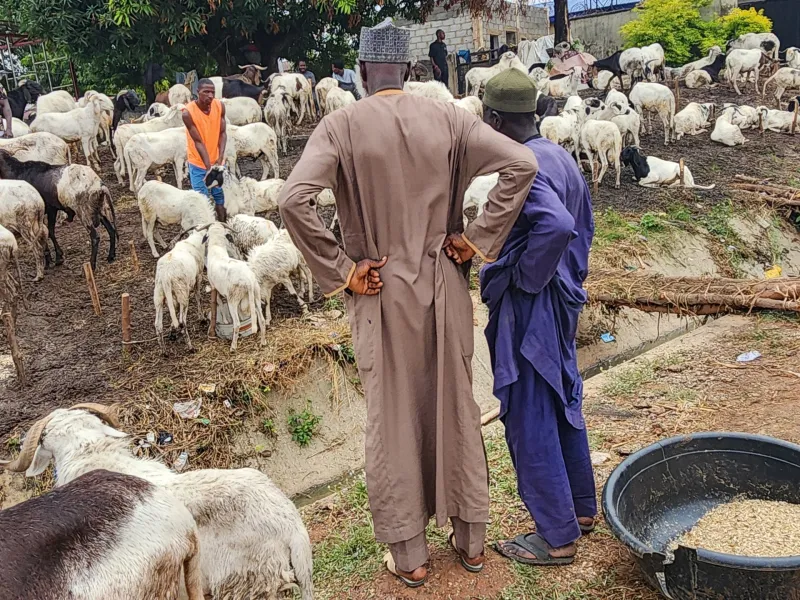
In Nigeria, the cost of living crisis has reshaped how many Muslims observe Eid al-Fitr in 2026, with soaring prices for food, clothing, and transport forcing families to scale back celebrations. According to the National Bureau of Statistics, inflation hit 24.8% in April 2026, with food inflation at 28.3%, making traditional purchases like new clothes and special meals increasingly unaffordable.
In Abuja, Islamic teacher Yunus Akanji, 52, told local media that many of his students' families have struggled to provide even basic Eid treats. 'Some children come to the madrassa without having had a proper breakfast because their parents cannot afford it,' he said. Akanji noted that donations from wealthier community members have helped, but demand far outstrips supply.
Transport costs have also risen sharply, with bus fares in Lagos increasing by 40% compared to last year, according to transport unions. This has prevented many from traveling to their hometowns for family gatherings, a key part of Eid traditions. In Kano, market vendor Fatima Bello reported a 50% drop in sales of traditional Eid fabrics compared to 2025.
The government has announced a temporary subsidy on rice and cooking oil for the holiday, but many Nigerians say it is insufficient. 'The subsidy helps a little, but prices are still too high,' said Aisha Mohammed, a mother of three in Kaduna. 'We will celebrate, but it will be modest.'
Despite the economic strain, religious leaders emphasize the spirit of sacrifice and community. 'Eid is not about lavish spending,' said Imam Abdullahi Suleiman of the Abuja Central Mosque. 'It is about gratitude and sharing what you have, even if it is little.'