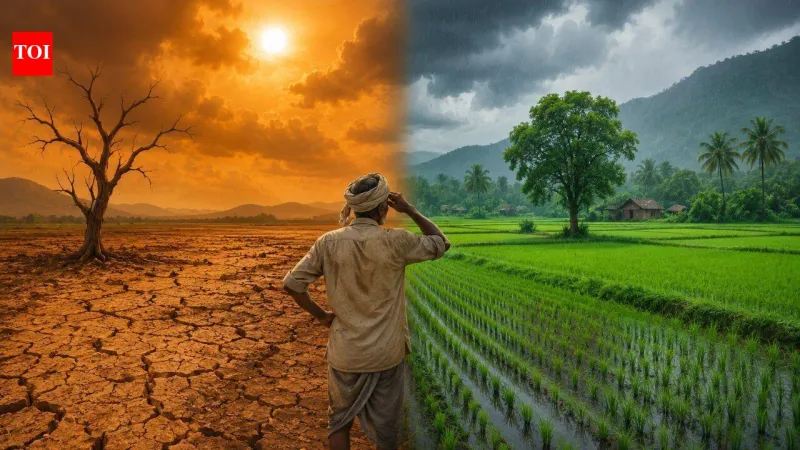
El Niño, a climate pattern characterized by warming of the Pacific Ocean, is expected to influence India's 2026 monsoon season. According to the India Meteorological Department (IMD), the monsoon onset was normal in early June, but El Niño conditions could lead to below-average rainfall in key agricultural regions.
This could impact crops like rice, sugarcane, and pulses, which are sensitive to rainfall variability. Reduced output may drive up food prices, affecting household budgets, especially for lower-income families who spend a larger share on food.
The Reserve Bank of India (RBI) has flagged potential inflationary pressures from a weak monsoon. In its June 2026 monetary policy statement, the RBI noted that food inflation could rise if rainfall deficits persist, though it did not change its repo rate.
Farmers are advised to adopt drought-resistant seeds and efficient irrigation. The government has contingency plans, including distribution of subsidized seeds and water management programs, to mitigate risks.