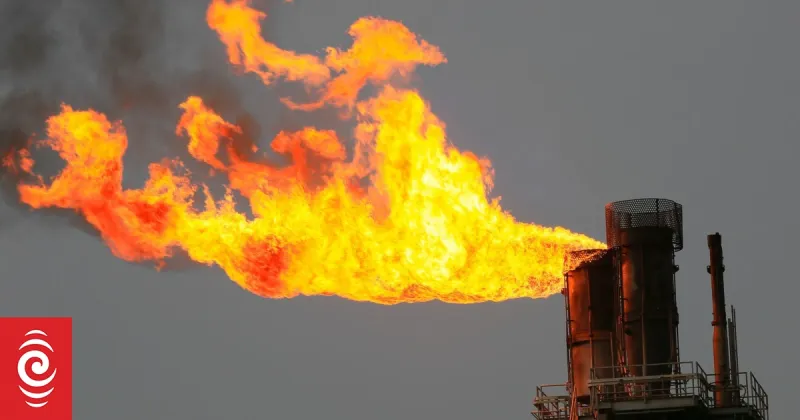
New Zealand's natural gas reserves have declined to the lowest level since records began 20 years ago, according to the Ministry of Business, Innovation, and Employment's (MBIE) annual petroleum reserves data. As of 1 January 2026, proven and probable natural gas reserves stood at 1,110 petajoules, a 23% decrease from the previous year.
The data, released in May 2026, shows that the country's gas reserves have been steadily declining since 2013, when they peaked at 2,400 petajoules. The decline is attributed to depleting existing fields and a lack of new discoveries. The Maui field, once the backbone of New Zealand's gas supply, is now nearly exhausted.
MBIE's report highlights that at current production rates, the remaining reserves would last approximately 10 years. This has raised concerns about energy security, as natural gas supplies about 20% of New Zealand's primary energy and is crucial for electricity generation during peak demand and dry years when hydro lakes are low.
Energy Minister Simeon Brown said the government is working to encourage new exploration and investment in the sector. However, environmental groups argue that the decline presents an opportunity to accelerate the transition to renewable energy sources such as wind, solar, and geothermal.
The situation is expected to put upward pressure on electricity prices in the short term, as gas-fired power plants may need to run more frequently. The government has indicated it will release a gas transition plan later this year to address the challenges.