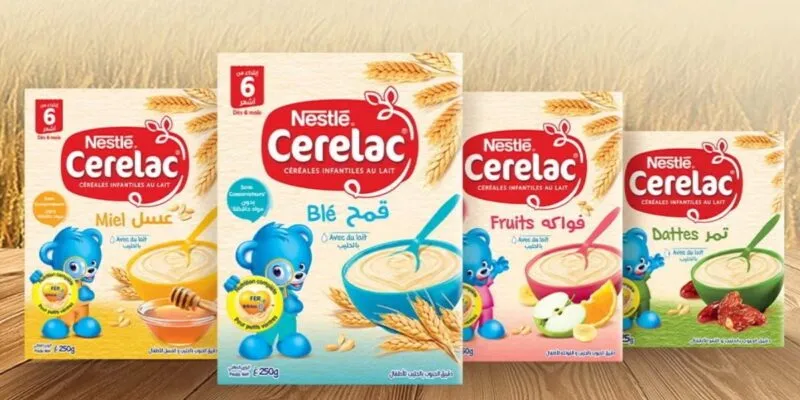
Nestlé is facing accusations of applying a double standard in the composition of its Cerelac infant cereals sold in Morocco, following a survey by the Swiss NGO Public Eye. The Federation of Consumer Associations (FNAC) in Morocco has condemned the practice, claiming that the Moroccan version contains added sugar, while similar products in Europe are sugar-free.
According to the survey, Cerelac products marketed in Morocco list sugar as an ingredient, with some varieties containing up to 4 grams of added sugar per serving. In contrast, Nestlé has reformulated its European Cerelac range to exclude added sugars, aligning with stricter EU regulations and WHO recommendations for infant foods.
FNAC has called on Moroccan authorities to investigate and enforce uniform nutritional standards, arguing that Moroccan children deserve the same quality as their European counterparts. Nestlé has not yet publicly responded to the specific allegations, but the company has previously stated that it adapts products to local tastes and regulations.
The controversy highlights ongoing concerns about multinational food companies using different recipes in developing countries, often with higher levels of sugar, salt, or fats. Health experts warn that early exposure to added sugars can contribute to childhood obesity and long-term health issues.