In Chad's capital N'Djamena, soaring rental prices are placing an unbearable burden on young households, many of whom spend over half their income on housing, according to a 2025 report by UN-Habitat. The report highlights that rapid urbanization and limited housing supply have driven rents up by nearly 30% since 2020, while wages have stagnated.
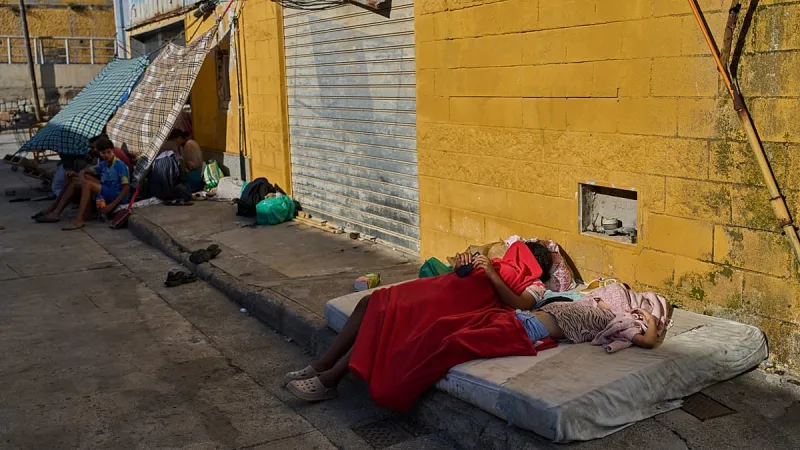
Young couples, often with children, are forced to live in overcrowded conditions or in informal settlements lacking basic services like water and sanitation. A local survey conducted by the Chadian Red Cross in early 2026 found that 68% of young renters in the capital pay more than 50% of their monthly earnings on rent, leaving little for food, health, and education.
Government efforts to build affordable housing have been slow, with only 1,200 units completed since 2022, far below the estimated need of 50,000 units. In response, some civil society groups are advocating for rent control measures and the development of social housing projects, but progress remains limited.
The situation is exacerbated by the influx of people fleeing conflict in neighboring countries, which has increased demand for housing in N'Djamena. As a result, many young families are forced to move to the outskirts, where rents are lower but access to jobs and services is scarce.