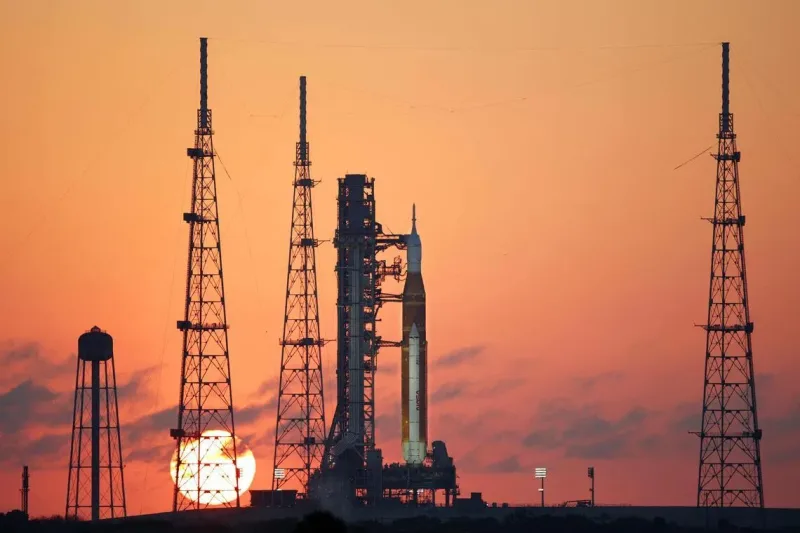
NASA's Artemis program, established to return humans to the Moon and eventually land the first woman and person of color on the lunar surface, represents a significant shift from the Cold War-era Apollo missions. While Apollo was driven by geopolitical competition with the Soviet Union, NASA states Artemis is focused on sustainable exploration, scientific discovery, and testing technologies for future Mars missions.
According to NASA's Office of Inspector General, the projected cost of the Artemis program through fiscal year 2025 is approximately $93 billion. This figure, reported in November 2021, includes development of the Space Launch System (SLS), Orion spacecraft, ground systems, and the Human Landing System (HLS). The program's first crewed lunar landing mission, Artemis III, is currently scheduled for no earlier than September 2026, though this date is under review and faces potential delays.
The program's rationale is multifaceted. NASA cites goals of advancing scientific knowledge, inspiring a new generation, and fostering a growing commercial space sector. However, the effort faces scrutiny over its high costs, technical complexities, and schedule reliability. The success of Artemis depends on the development of new spacesuits, a lunar lander contracted to SpaceX, and the completion of critical uncrewed and crewed test flights.