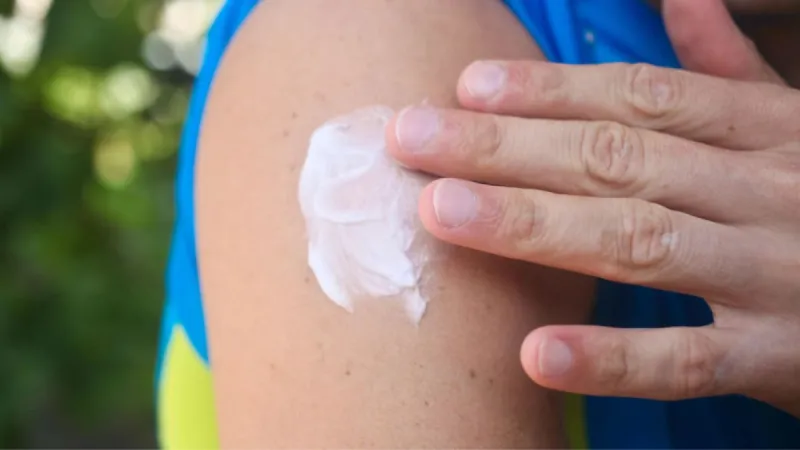
As mosquito-borne illnesses like dengue and malaria continue to surge across India, the use of mosquito repellent creams has become widespread. However, dermatologists are raising concerns about potential skin side effects, including irritation, allergic reactions, and, in rare cases, chemical burns, particularly with products containing high concentrations of DEET (N,N-diethyl-meta-toluamide). According to the U.S. Environmental Protection Agency (EPA), DEET is generally safe when used as directed, but concentrations above 30% may increase the risk of skin reactions.
Dr. Rashmi Shetty, a Mumbai-based dermatologist, told the Times of India in a 2025 interview that "prolonged use of high-DEET creams can disrupt the skin barrier, leading to dryness, redness, and even dermatitis." She recommends opting for repellents with 10-20% DEET for most adults and avoiding application on broken skin or near eyes and mouth. The Indian Council of Medical Research (ICMR) advises that pregnant women and children under two months should use physical barriers like nets and clothing instead of chemical repellents.
Despite these risks, the benefits of preventing dengue—which caused over 2.4 million cases in India in 2024, according to the National Vector Borne Disease Control Programme (NVBDCP)—and malaria, which led to an estimated 5.6 million cases globally in 2023 per the World Health Organization (WHO), far outweigh the potential harm. The WHO emphasizes that no repellent is 100% effective, and combining creams with mosquito nets and indoor spraying offers the best protection.
For those with sensitive skin, dermatologists recommend alternatives like picaridin-based creams or oil of lemon eucalyptus, which have lower irritation rates. A 2024 study in the Journal of the American Academy of Dermatology found that picaridin 20% was as effective as DEET 25% with fewer skin reactions. Always perform a patch test before full application and wash off repellent after returning indoors.