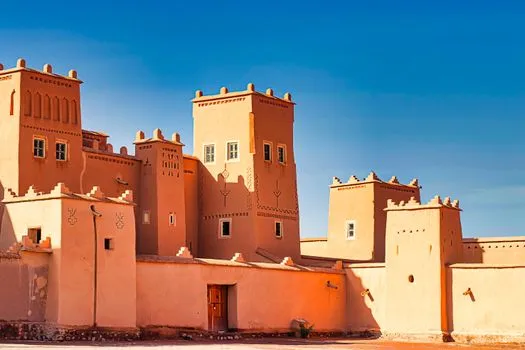
Morocco's tourism sector is experiencing a remarkable surge, with record-breaking visitor numbers in recent years. According to the Ministry of Tourism, the country welcomed over 14.5 million tourists in 2024, a 20% increase from the previous year, and the momentum has continued into 2025 and 2026. This growth is part of a broader strategy to position Morocco as a leading global destination, with an ambitious target of 26 million tourists by 2030, coinciding with the FIFA World Cup, which Morocco will co-host with Spain and Portugal.
To support this growth, Morocco has invested heavily in infrastructure, including expanding airports, upgrading rail networks (such as the high-speed Al Boraq line), and developing new hotel capacities. The government has also launched training programs to enhance hospitality skills, aiming to create 200,000 new jobs in the sector by 2030. These efforts are designed to ensure that the country can accommodate the influx of visitors while maintaining quality service.
However, challenges remain. The tourism industry faces pressures from global economic fluctuations, environmental sustainability concerns, and the need to balance mass tourism with cultural preservation. Experts emphasize that Morocco must continue to diversify its offerings beyond traditional beach and city breaks, promoting rural and eco-tourism to spread benefits across regions.
As of August 2026, the sector shows resilience, with occupancy rates in major cities like Marrakech and Agadir remaining high. The government's 'Morocco 2030' strategy, launched in 2023, outlines a comprehensive roadmap to double tourism's contribution to GDP, from 7% to 14%, by the end of the decade. With the World Cup on the horizon, the world's eyes will be on Morocco, and the country is determined to showcase its rich culture and hospitality.