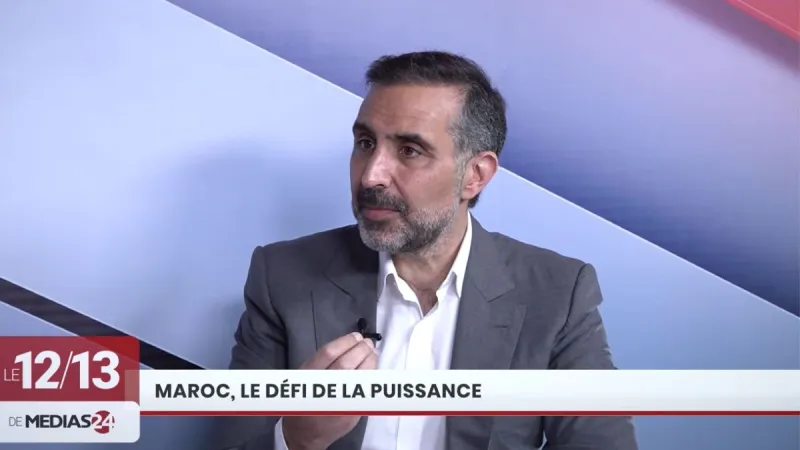
Morocco has positioned itself as a key regional power in North Africa, leveraging its strategic location, economic reforms, and diplomatic initiatives. However, the country faces significant challenges, including economic inequality, youth unemployment, and regional tensions, according to political analyst Abdelmalek Alaoui.
Alaoui, a Moroccan writer and geopolitical expert, has highlighted the kingdom's efforts to modernize its economy through investments in renewable energy, infrastructure, and technology. Morocco's role in mediating regional conflicts, such as the Libyan crisis, and its growing ties with sub-Saharan Africa are also seen as pillars of its regional influence.
Despite these achievements, Alaoui notes that Morocco must address internal issues to sustain its power. High unemployment rates, especially among young people, and disparities between urban and rural areas remain pressing concerns. Additionally, the Western Sahara dispute continues to strain relations with Algeria and the Polisario Front.
As of May 2026, Morocco's foreign policy has focused on strengthening partnerships with European and African nations, while its domestic agenda prioritizes social reforms and economic diversification. The country's ability to balance these priorities will determine its long-term stability and regional standing.