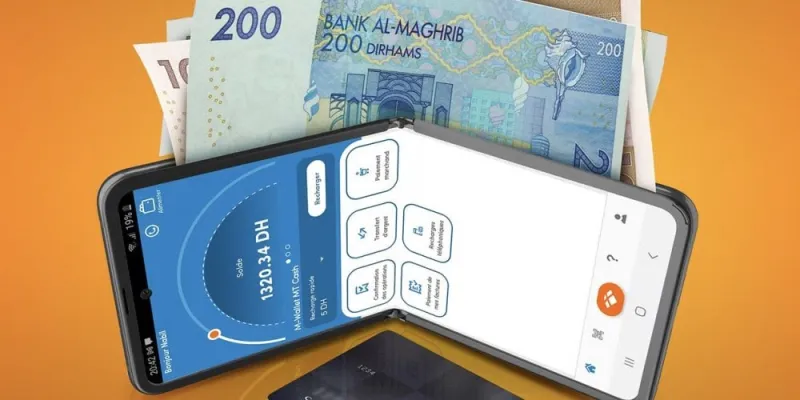
Morocco is considering the development of a national digital payment system, akin to PayPal, to address persistent trust issues in e-commerce. According to a 2025 report by the Moroccan Ministry of Digital Transition, only 30% of online shoppers use card payments, with the majority preferring cash on delivery due to fears of fraud, non-delivery, or unclear refund policies.
The proposed system, tentatively named 'PayMaghreb', would be backed by the Central Bank of Morocco (Bank Al-Maghrib) and aim to provide secure, instant transactions with buyer protection. A pilot project was announced in early 2026, targeting integration with major e-commerce platforms like Jumia and Avito.ma by late 2027.
Challenges include low banking penetration (only 40% of adults have bank accounts, per World Bank 2024 data) and the need for robust consumer protection laws. Experts from the Moroccan E-commerce Association suggest that success depends on simplifying registration and offering dispute resolution mechanisms.
If implemented, PayMaghreb could reduce the 15% rate of failed deliveries reported by local merchants in 2025, potentially boosting the sector's contribution to GDP from 2% to 5% by 2030, as per government projections.