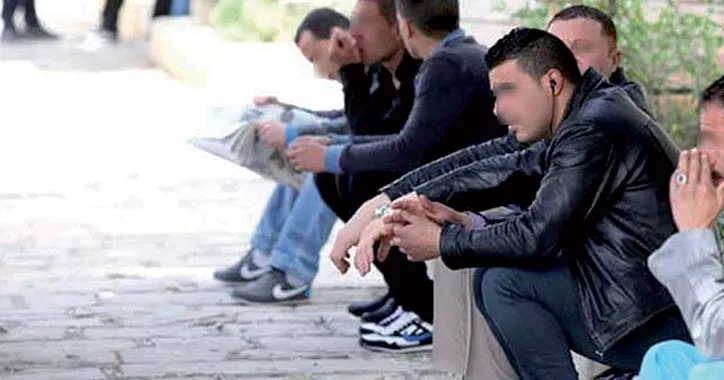
As of May 3, 2026, Morocco's public policies have been the subject of ongoing debate, with recent reforms in education, healthcare, and economic sectors facing both praise and criticism. The government's New Development Model, launched in 2021, aims to reduce social disparities and boost economic growth, but implementation has been uneven.
In education, the 2025-2026 school year saw the rollout of a revised curriculum focusing on digital literacy and vocational training, yet teacher shortages and infrastructure gaps persist in rural areas. Healthcare reforms, including the expansion of mandatory health insurance (AMO), have increased coverage to over 70% of the population, but access to specialized care remains limited.
Economically, Morocco's recovery from global inflation has been gradual, with GDP growth projected at 3.2% for 2026, according to the World Bank. However, unemployment, especially among youth (at 22%), and water scarcity due to drought continue to challenge policymakers. Civil society groups have called for greater transparency and accountability in public spending.