In Morocco, the situation of youth who are Not in Education, Employment, or Training (NEET) continues to be a significant structural challenge. According to the latest High Commission for Planning (HCP) data, the NEET rate among young people aged 15 to 24 stood at 28.5% in 2022. This figure highlights a persistent gap in labor market integration and access to education for a substantial portion of the country's youth.
The issue is particularly pronounced among young women, with a NEET rate of 38.2% compared to 18.9% for young men in the same age group, as reported by the HCP. This gender disparity underscores deeper socio-economic barriers. The phenomenon is not unique to Morocco but is a common concern across the Middle East and North Africa (MENA) region, where youth unemployment and underemployment rates are among the highest globally.
Public policy efforts have aimed to address this through initiatives like the National Integrated Youth Strategy and programs to support vocational training and entrepreneurship. However, analysts note that economic growth has not been sufficiently job-intensive to absorb the large cohort of young people entering the workforce each year. The NEET status carries long-term risks for individuals and the economy, including skill erosion and social exclusion.
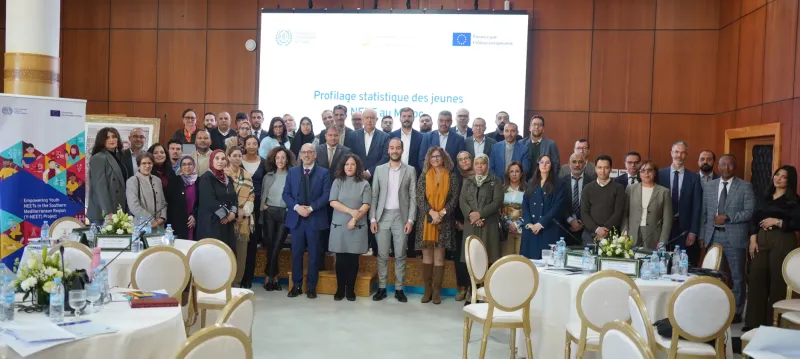
Experts emphasize that effective profiling and targeting of NEET youth with tailored services are crucial for any intervention's success. Accurate, disaggregated data is seen as a key tool for designing policies that can connect this demographic to opportunities in education, formal employment, or active labor market programs.