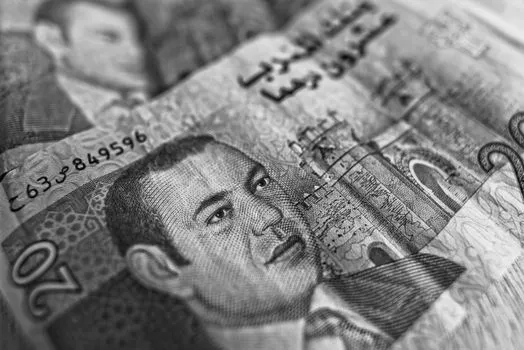
Morocco's financial markets, including the MASI stock index and the dirham currency, are under scrutiny amid global economic pressures. Youssef El Mansouri, a financial analyst, and Imane El Idrissi, an economist, have provided insights into the resilience of Moroccan banks and the central bank's policies.
As of June 2026, the MASI index has shown volatility due to international trade tensions and fluctuating commodity prices. The dirham, managed under a flexible exchange rate regime since 2018, has experienced moderate depreciation against major currencies, according to recent data from Bank Al-Maghrib.
El Mansouri noted that Moroccan banks maintain strong capital adequacy ratios, above regulatory requirements, while El Idrissi highlighted the importance of foreign exchange reserves, which stood at around $35 billion in early 2026, providing a buffer against external shocks.
The International Monetary Fund (IMF) has commended Morocco's economic reforms but warned of risks from global inflation and geopolitical instability. The central bank has kept interest rates steady to support growth while monitoring inflation, which remained below 3% in 2026.