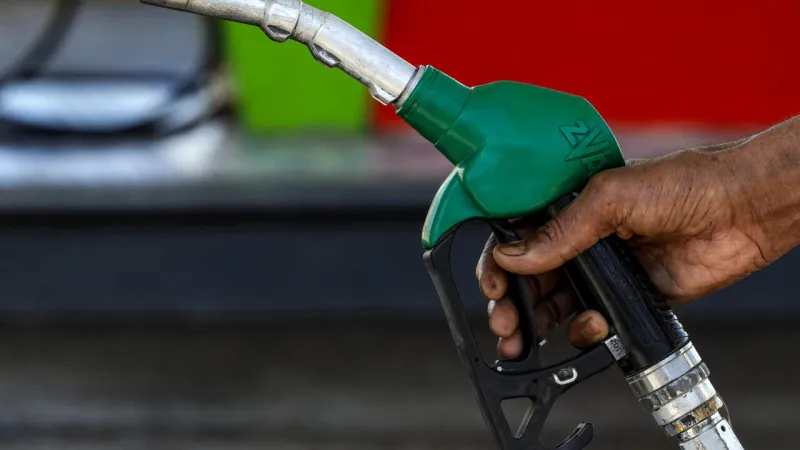
Morocco faces significant economic vulnerability due to its heavy dependence on imported fossil fuels, a situation exacerbated by ongoing tensions and conflicts in the Middle East. The country imports over 90% of its energy needs, primarily in the form of oil, gas, and coal. This reliance leaves the national economy exposed to global price volatility and potential supply chain disruptions originating from key producing regions.
Recent conflicts, including the war in Gaza and regional instability, have contributed to fluctuations in global energy markets. While Morocco has diversified its import sources in recent years, including suppliers from the Atlantic basin, a substantial portion of its crude oil and liquefied natural gas (LNG) historically comes from or transits through the Middle East and North Africa region. Any major disruption to shipping routes like the Strait of Hormuz or the Suez Canal could impact delivery and costs.
The Moroccan government has launched a national energy strategy to reduce this dependency, aiming for 52% of installed power capacity to come from renewable sources by 2030. Significant investments have been made in solar and wind power, including the Noor solar complex and various wind farms. However, the transition is ongoing, and fossil fuels remain dominant for electricity generation and transportation, meaning import dependency will persist for the foreseeable future.
This energy insecurity has direct consequences for Morocco's trade balance and inflation. High global energy prices increase the national import bill, putting pressure on foreign currency reserves and potentially leading to higher costs for consumers and industries. The situation underscores the strategic importance of Morocco's accelerated renewable energy rollout and regional energy cooperation initiatives as buffers against external shocks.