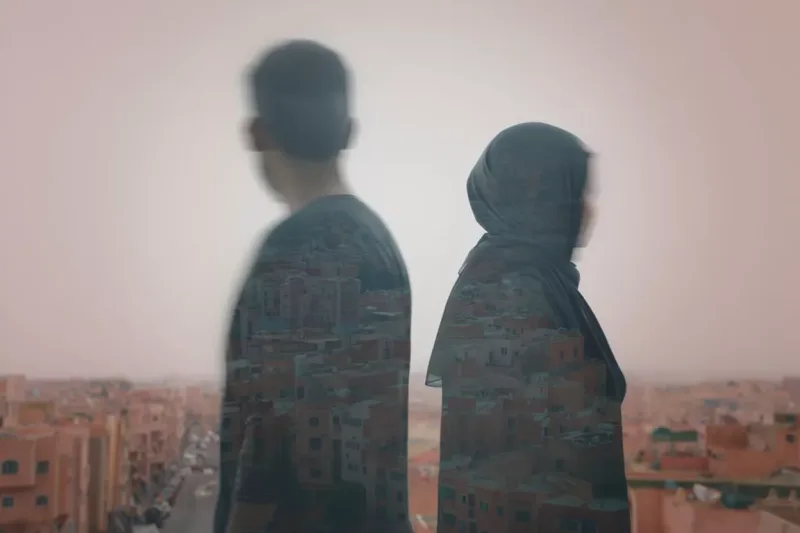
Morocco is experiencing a significant and sustained rise in its divorce rate, a trend reflecting deep social and legal transformations. According to data from the High Commission for Planning (HCP), the number of divorces has climbed steadily over the past decade, with a notable increase following the 2004 reform of the family code, the Moudawana. This legal overhaul granted women greater rights in marriage and divorce proceedings, making judicial dissolution more accessible.
The reasons behind this increase are multifaceted. Sociologists point to women's growing financial independence and higher educational attainment, which empower them to leave unhappy or abusive marriages. Urbanization and changing social expectations also play a crucial role, as younger generations increasingly prioritize personal fulfillment and compatibility over traditional family pressures to maintain a union at all costs.
Despite the rising numbers, divorce remains a complex and often stigmatized process in Moroccan society. The legal journey can be lengthy and emotionally taxing, with issues like alimony and child custody presenting ongoing challenges. Furthermore, divorced women, in particular, may face significant social prejudice and economic hardship, highlighting a gap between legal progress and entrenched social attitudes.
This silent revolution in family structure is prompting broader discussions about social support systems, housing for single-parent families, and the need for continued legal protections. The trend underscores a Morocco in transition, where individual rights and traditional values are being continually negotiated.