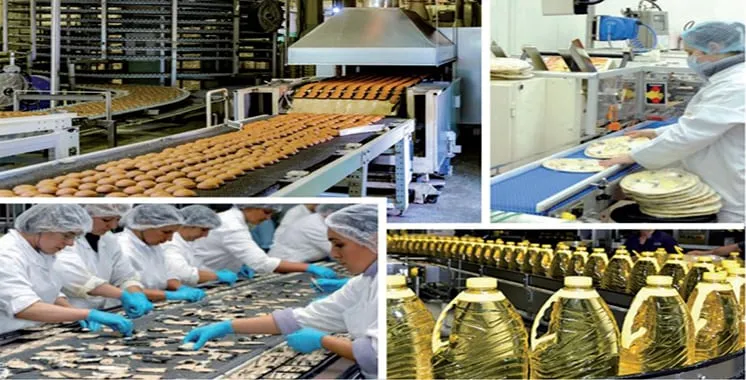
Morocco's agri-food sector, a key pillar of the national economy, is confronting the challenge of moving up the value chain. According to a 2025 report by the Moroccan Ministry of Agriculture, the sector accounts for about 25% of the country's GDP and employs over 40% of the workforce. However, most exports remain in low-value categories like raw fruits and vegetables, with processed products representing only 15% of total agri-food exports.
Industry experts point to several barriers hindering the upgrade. A 2024 study by the Moroccan Association of Agri-Food Industries (AMIPA) identified insufficient cold chain logistics, limited access to financing for small and medium enterprises, and a lack of skilled labor in food processing technologies as major obstacles. The government's 'Plan Maroc Vert' and its successor 'Generation Green 2020-2030' aim to address these issues by investing $1.5 billion in modernizing food processing plants and training programs by 2027.
Despite these efforts, progress has been slow. In 2025, only 30% of agri-food companies had adopted international quality certifications like ISO 22000 or HACCP, according to the Moroccan Agency for Food Safety (ONSSA). This limits access to premium markets in Europe and North America, where demand for certified organic and high-quality processed foods is growing.
To accelerate the transition, the government launched a new initiative in early 2026 called 'FoodTech Morocco,' which provides grants and technical assistance to startups focusing on food innovation. The program has already supported 50 companies, with a target of 200 by 2028. If successful, these efforts could boost the share of processed agri-food exports to 25% by 2030, as projected by the Ministry of Industry and Trade.