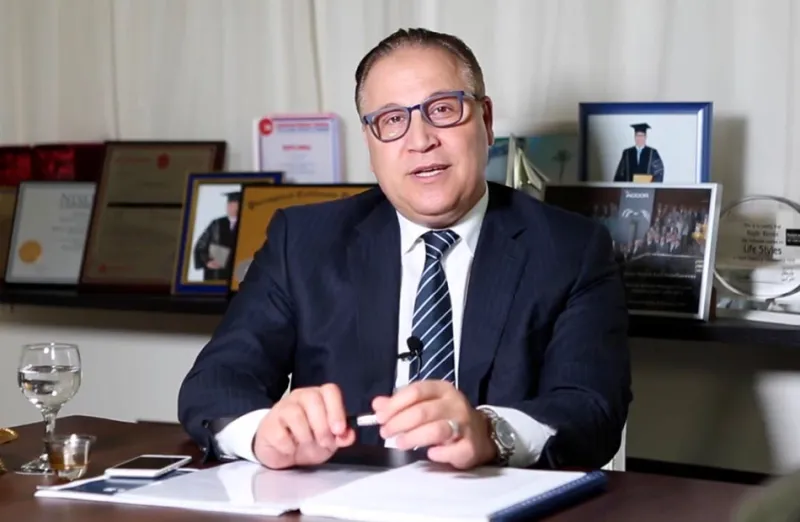
As Morocco prepares to co-host the 2030 FIFA World Cup alongside Spain and Portugal, the debate has moved beyond hotel capacity. Dr Najib Erraiss, Managing Director of MFA Hospitality, argues that the real challenge is building a hospitality model that combines quality, sustainability, and authenticity.
In a recent interview, Erraiss emphasized that successful tourist destinations use global events as accelerators of attractiveness. He cited examples from previous World Cups and Olympics where host cities leveraged infrastructure investments to boost long-term tourism.
Morocco's strategy includes expanding its hotel inventory, improving air connectivity, and training hospitality staff. The country aims to welcome millions of visitors during the tournament while creating a lasting legacy for its tourism sector.
Erraiss noted that the key is not just to build more hotels, but to create unique experiences that reflect Moroccan culture and hospitality. This approach, he said, can transform the World Cup from a one-time event into a catalyst for sustainable tourism growth.