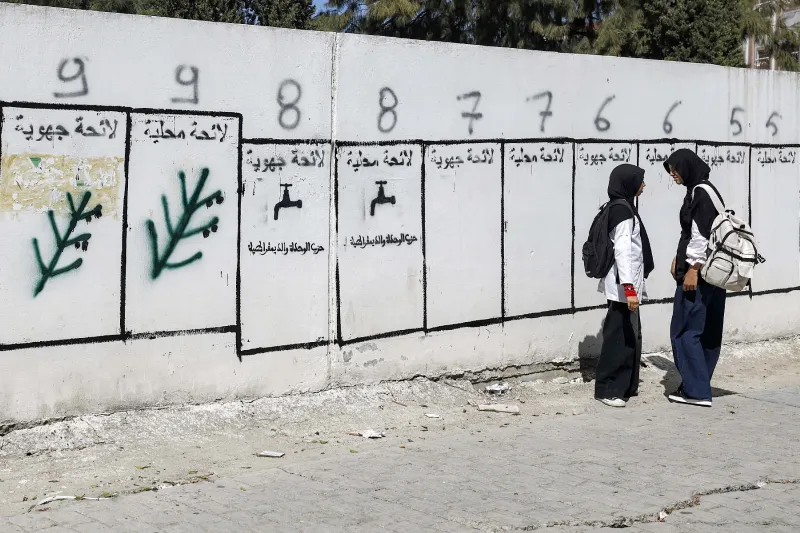
Morocco held legislative elections on 8 September 2021, with voters choosing the 395 members of the House of Representatives. The elections took place against a backdrop of widespread disenchantment among young Moroccans, many of whom see little connection between politics and their daily struggles.
According to official figures, turnout was 50.35 percent, a significant increase from the 43 percent recorded in the 2016 legislative elections. The Interior Ministry reported that more than 8.7 million voters cast ballots. The National Rally of Independents (RNI) emerged as the largest party, winning 102 seats, followed by the Authenticity and Modernity Party (PAM) with 87 seats and Istiqlal with 81 seats. The Justice and Development Party (PJD), which had led the previous government, suffered a major defeat, dropping from 125 seats to just 13.
Despite the higher turnout, analysts noted that many young people remain skeptical about the ability of formal politics to address unemployment, inequality, and lack of opportunity. Youth unemployment in Morocco stood at around 30 percent in 2021, according to World Bank data, and many young graduates struggle to find stable work. This economic precarity has fueled apathy and, in some cases, emigration aspirations.
The election results led to a new government coalition headed by Aziz Akhannouch of the RNI. The new government promised to prioritize job creation and social reforms, but the challenge of re-engaging a disillusioned youth remains significant. As Morocco navigates its political future, the gap between young citizens and their representatives continues to be a central issue.